
Table of Contents
- Why Office Workers Need Chiropractic Care
- How Prolonged Sitting Damages Spinal Alignment
- Exercises to Improve Posture for Desk Workers
- Ergonomic Desk Setup Tips That Actually Work
- How Long Does It Take to Fix Posture With Chiropractic
- What to Expect From Chiropractic Treatment for Desk Workers
- Conclusion
- Frequently Asked Questions
Last Updated: August 11, 2026
Why Office Workers Need Chiropractic Care
Office work creates a specific set of physical demands that most bodies aren't designed to handle. You sit for eight hours, your shoulders creep toward your ears, your head drifts forward, and by the end of the week, you're managing neck pain, lower back discomfort, or both. This isn't weakness or poor discipline, it's biomechanics working against you. The solution often involves professional intervention rather than just better posture awareness.
The reality is that prolonged sitting creates postural imbalances that self-correction alone can't fix. Your muscles adapt to the sitting position. Your spine settles into misalignment. And once that happens, sitting up straight for a few minutes doesn't reverse the damage. Chiropractic care for office workers addresses the underlying structural issues that cause the pain in the first place, not just the symptoms you notice at the end of the day. Addressing lifestyle factors is crucial for understanding the shoulder-pain link specifically, improving function for patients in Montgomery.
Many office workers assume their pain is temporary or something they should push through. The opposite is true. Early intervention prevents the chronic conditions that develop when you ignore desk-related strain for years. A chiropractor can identify spinal alignment problems before they become serious, teach you movement patterns that protect your spine, and develop a plan that actually fits your work environment rather than asking you to do yoga for 45 minutes daily when you have back-to-back meetings.
Chiropractic care for office workers targets the structural problems that desk work creates, not just the pain symptoms. Early treatment prevents years of chronic discomfort.
How Prolonged Sitting Damages Spinal Alignment
Sitting for extended periods changes your spine in ways that standing never does. The vertebrae in your lumbar spine compress differently when you're seated. Your hip flexors tighten. Your glutes weaken from disuse. Your thoracic spine rounds forward. These aren't minor postural habits, they're actual structural changes that accumulate over months and years.

Forward head posture is the most visible consequence. For every inch your head moves forward of your shoulders, the weight and stress on your cervical spine increases dramatically. Your neck muscles work overtime trying to support that forward position, which is why neck and shoulder tension develops so quickly in office environments. The muscles fatigue, they tighten, and eventually they hurt.
The lower back suffers equally. When you sit, your pelvis tilts backward slightly. This flattens your lumbar curve, the natural arch in your lower spine. Your intervertebral discs, which rely on that curve for proper weight distribution, experience uneven pressure. Over time, this uneven pressure contributes to disc degeneration and the chronic pain that office workers report.
What makes this particularly problematic is that the damage happens gradually. You don't feel the vertebral subluxation developing. You don't notice your spinal alignment shifting day by day. By the time pain shows up, the structural problem has been building for months. This is why many practitioners consider preventative chiropractic care for office workers valuable — catching alignment issues early may help stop them from becoming serious.
The damage from prolonged sitting isn't reversed by standing up for five minutes or stretching between meetings. You need specific intervention to restore spinal alignment and teach your body new movement patterns.
Exercises to Improve Posture for Desk Workers
Exercises to improve posture for desk workers need to target the specific muscles that sitting weakens and the patterns that sitting creates. Generic stretching won't fix the problem. You need movements that restore spinal alignment, strengthen the muscles that support good posture, and counteract the exact adaptations your body has made to desk work.
Chin Tucks for Cervical Alignment
This exercise directly addresses forward head posture. Sit upright, keep your eyes forward, and gently tuck your chin back as if you're making a double chin. Hold for two seconds, then release. Do three sets of ten repetitions daily. This retrains your neck muscles to support your head in the correct position rather than allowing it to drift forward.
Thoracic Extensions Over a Foam Roller
Your thoracic spine, the middle of your back, rounds forward from sitting. Lie perpendicular across a foam roller positioned at your mid-back. Support your head with your hands, and gently extend backward over the roller. Hold for two seconds. Do two sets of ten repetitions. This restores the natural curve in your thoracic spine that sitting flattens.
Glute Bridges for Lumbar Support
Sitting deactivates your glutes. Weak glutes mean your lower back muscles compensate, which creates pain. Lie on your back with knees bent and feet flat on the floor. Push through your heels to lift your hips off the ground. Squeeze your glutes at the top. Do three sets of twelve repetitions. Strong glutes stabilize your pelvis and reduce stress on your lumbar spine.
Quadruped Thoracic Rotations
Get on your hands and knees. Place one hand behind your head. Rotate your upper body, bringing your elbow toward the opposite knee, then rotating back to open your chest. Do eight rotations per side. This restores mobility to your thoracic spine and counteracts the rounded-forward position that desk work creates.
These exercises work best when combined with chiropractic adjustments that restore proper spinal alignment. Strengthening muscles that are working around a misaligned spine is less effective than first correcting the alignment, then building strength around that corrected position.
Ergonomic Desk Setup Tips That Actually Work
Ergonomic education is the foundation of preventing future pain, but most office workers set up their desks wrong. They put the monitor too low, the chair too high, the keyboard too far away. These small errors compound over eight hours of work, five days a week.

Monitor Position
Your monitor should be positioned so the top of the screen is at or slightly below eye level when you're sitting with your spine in neutral position. The screen should be about an arm's length away, roughly 20 to 26 inches from your eyes. If your monitor is too low, you'll drop your head forward and develop forward head posture within hours. If it's too far away, you'll lean forward to see it clearly.
Chair Selection
Your chair needs lumbar support, actual support that maintains the natural curve in your lower spine, not a lumbar pillow that you adjust constantly. The seat height should allow your feet to rest flat on the floor with your knees at approximately 90 degrees. Your hips should be slightly higher than your knees. Armrests should support your elbows at approximately 90 degrees as well. A chair that forces you into poor positioning will undermine every other ergonomic adjustment you make.
Keyboard and Mouse Placement
Your keyboard and mouse should be positioned so your elbows stay close to your body at approximately 90 degrees. Your wrists should be neutral, not bent up, down, or to the side. Many office workers position their keyboard too high or too far away, which forces them to reach and creates shoulder and neck tension. Proper placement means your arms do minimal work, and your core muscles handle posture instead.
Desk Height
If you're using a standing desk, position it so your elbows are at 90 degrees when your arms hang naturally at your sides. If you're sitting, the same rule applies. Too-high desks force your shoulders up. Too-low desks force you to round your shoulders forward. The correct height removes stress from your shoulders and neck.
Workstation optimization is preventative medicine. Combined with the exercises and chiropractic care for office workers that addresses existing misalignment, proper ergonomics stops future problems from developing.
Most office workers set up their desks based on convenience rather than ergonomics. This creates repetitive stress that builds into chronic pain over months. Correct setup now prevents years of discomfort.
How Long Does It Take to Fix Posture With Chiropractic
How long does it take to fix posture with chiropractic care depends on how long the postural imbalance has existed and how severe the underlying spinal misalignment is. There's no universal timeline, but understanding the typical progression helps you set realistic expectations.
For someone with recent postural problems, less than six months of noticeable discomfort, improvement often begins within the first two to three weeks of regular chiropractic adjustments combined with exercises to improve posture for desk workers. You'll notice reduced pain, better awareness of your posture, and improved mobility. The underlying spinal alignment is beginning to correct.
For chronic postural issues that have developed over years, the timeline extends. Three to four months of consistent treatment is more typical before you see substantial improvement in both pain levels and postural habits. Your spine has adapted to the misaligned position. Reversing that adaptation takes time. Your nervous system has learned to tolerate the pain. Retraining it takes repeated adjustment and reinforcement.
The critical factor isn't just the number of visits, it's consistency and your participation outside the office. If you get adjusted twice a week but spend the other 160 hours in poor posture without doing the prescribed exercises to improve posture for desk workers, progress slows dramatically. If you get adjusted and then actively work on ergonomic setup and daily exercises, improvement accelerates.
Many patients report meaningful change within four to eight weeks if they're consistent, though this varies by individual. Complete postural correction, where your spine maintains proper alignment without constant adjustment, typically requires three to six months of dedicated work. Some people need ongoing maintenance adjustments, particularly if their job demands prolonged sitting without breaks.
The investment is worth the timeline. Chronic pain that develops from postural imbalance can persist for decades if left untreated. Addressing it now prevents that long-term cost in pain, lost productivity, and healthcare expenses.
What to Expect From Chiropractic Treatment for Desk Workers
Your first appointment will involve assessment. A chiropractor will evaluate your posture, test your range of motion, and may take X-rays to visualize your spinal alignment. They're looking for vertebral subluxation, forward head posture, spinal decompression needs, and other structural issues specific to desk work. This assessment determines your treatment plan.
Initial treatment usually involves spinal adjustments to correct misalignment and restore proper vertebral positioning. You might also receive soft tissue massage to address the tight muscles that developed to compensate for poor posture. Some offices use additional therapies like spinal decompression or therapeutic exercises, depending on your specific issues.
The adjustment itself, the actual correction of spinal alignment, typically takes a few minutes. The full appointment usually lasts 20 to 30 minutes. You'll likely feel some immediate relief from the adjustment, though the deeper postural correction happens over multiple visits as your spine gradually returns to proper alignment.
Between appointments, you'll be given exercises to do at home. These aren't optional add-ons. They're essential to the process. The adjustments correct alignment; the exercises reinforce that correction and strengthen the muscles that maintain it. Without the home exercises, progress stalls.
Some discomfort after adjustment is normal, particularly in the first week or two. Your muscles are adapting to the corrected spinal position. This typically resolves quickly. Significant pain after adjustment is not normal and should be reported to your chiropractor.
Treatment frequency typically starts at two to three times per week for the first month or two, then gradually reduces as your spine stabilizes. Eventually, many people transition to monthly maintenance visits or as-needed visits when they notice symptoms returning.
Chiropractic treatment for desk workers combines in-office adjustments with home exercises and ergonomic changes. Consistency outside the office is as important as the appointments themselves.
Conclusion
Office workers face a specific physical challenge that standard fitness or posture awareness can't fully address. Prolonged sitting creates structural changes in your spine, vertebral subluxation, forward head posture, weakened core stability, that require professional intervention. Chiropractic care for office workers targets these structural issues directly, restoring spinal alignment and preventing the chronic pain that develops when postural imbalance goes untreated.
The combination of chiropractic adjustments, therapeutic exercises to improve posture for desk workers, and ergonomic workspace optimization creates lasting change. You address the immediate pain, correct the underlying alignment problem, and prevent future issues by changing how you work. This integrated approach is why many office workers see dramatic improvement within weeks and maintain that improvement long-term.
If you've been managing neck pain, lower back discomfort, or postural tension from desk work, professional evaluation is the logical next step. A consultation can identify your specific spinal alignment issues and develop a treatment plan that fits your work schedule and physical needs. Rather than accepting chronic pain as part of desk work, address it now and work toward more comfortable, productive days.
Frequently Asked Questions
Can a chiropractor fix bad posture from sitting at a desk?
Yes, chiropractic care can help correct postural imbalances caused by desk work. Chiropractors use spinal adjustments to restore proper alignment, reducing vertebral subluxation and nerve interference. Combined with therapeutic exercises and ergonomic changes, chiropractic treatment addresses both the structural damage and the habits that created the problem. Results depend on consistency and how long the poor posture has been present.
How long does it take to fix posture with chiropractic care?
Timeline varies based on severity and how long poor posture has existed. Most office workers notice improvement in neck and shoulder tension within 2-4 weeks of regular treatment. Significant postural correction typically requires 8-12 weeks of consistent care combined with home exercises and ergonomic adjustments. Chronic cases may take longer. Your chiropractor will provide a personalized timeline after an initial assessment.
What ergonomic changes should I make alongside chiropractic treatment?
Adjust your monitor to eye level, position your keyboard and mouse at elbow height, use a chair with lumbar support, and keep your feet flat on the floor. Take micro-breaks every 30 minutes to stand and stretch. Position your desk to avoid reaching or twisting. These changes reduce repetitive stress and support the benefits of chiropractic adjustments, preventing the same postural problems from recurring.
How often should office workers see a chiropractor?
Initial treatment typically involves 2-3 visits per week for the first 4-6 weeks to address acute postural imbalances and spinal misalignment. As your condition improves, frequency decreases to weekly or bi-weekly maintenance visits. Long-term, many office workers benefit from monthly preventative adjustments to maintain spinal health and catch problems early. Your chiropractor will recommend a schedule based on your specific condition. Maintaining your optimal spinal wellness requires proactive care; call us or book now.
Learn more about back pain care at Chiropractic Care Clinic in Montgomery, AL.
Table of Contents
- Why Chiropractic Care Matters After a Car Accident
- Common Soft Tissue Injuries from Car Accidents
- How Chiropractic Treatment Works for Accident Injuries
- How Long Does Chiropractic Treatment Take After a Car Accident
- Chiropractic Documentation for Car Accident Claims
- When to Seek Chiropractic Care vs. Emergency Care
- Preventing Long-Term Chronic Pain After an Accident
- Frequently Asked Questions
Last Updated: August 10, 2026
Why Chiropractic Care Matters After a Car Accident
A car accident triggers immediate physical trauma that extends far beyond what's visible on the surface. The violent collision forces your body through rapid acceleration and deceleration, straining muscles, ligaments, and joints in ways your musculoskeletal system isn't prepared to handle. Many accident victims experience delayed symptoms, sometimes appearing days or weeks after the crash, which is why early intervention matters significantly.
Chiropractic treatment for auto accident injuries can play a part in accident recovery. Emergency room care is designed to assess and manage immediate, life-threatening, or acute traumatic injuries like fractures. After initial evaluation concludes, a chiropractic assessment can provide a specialized focus on soft tissue function and spinal biomechanics. This complementary approach may help identify areas of function that could use attention after an impact.
For more detailed steps in managing your recovery through chiropractic care immediately following a collision, explore our guide on post-collision chiropractic steps.
At chiropracticcare.clinic, we recognize that accident recovery isn't one-size-fits-all. The treatment approach depends on injury severity, the accident mechanism, your age, and your overall health status. Early assessment and documentation are equally critical, not just for your physical recovery, but for any potential insurance claims or legal proceedings related to the accident.
Common Soft Tissue Injuries from Car Accidents
Car accidents generate forces that damage soft tissue structures throughout the body. Understanding what happens during impact helps explain why chiropractic assessment is so important, even when initial pain seems minor.
Whiplash and Cervical Spine Injuries
Whiplash occurs when the head snaps forward and backward rapidly during collision, stretching the cervical spine beyond its normal range of motion. This mechanism damages muscles, tendons, and ligaments in the neck, often accompanied by nerve irritation that radiates pain into the shoulders and arms.
The cervical spine contains seven vertebrae supporting your head's full weight while allowing significant mobility. When whiplash forces these vertebrae out of alignment, the surrounding soft tissue becomes inflamed, and nerve roots may become compressed. Symptoms range from mild stiffness to severe pain and neurological symptoms like tingling or numbness in the hands.
Many whiplash injuries don't present immediate symptoms. The inflammation develops over hours or days as your body's response to trauma unfolds. This delayed presentation is why seeking chiropractic evaluation within the first week after an accident is crucial, early intervention prevents inflammation from becoming chronic.
Lumbar and Lower Back Strain
The lower back absorbs tremendous force during a collision, especially if you're hit from behind or side-impact. The lumbar spine bears your body's weight and generates most of your spinal mobility, making it particularly vulnerable to strain injuries.
Lumbar strain involves microscopic tears in the muscles and ligaments supporting the lower back. Unlike a dramatic rupture, these small tears accumulate inflammation and create muscle guarding, where muscles tighten protectively around the injury site. This protective response, while initially helpful, can become problematic if it persists, limiting your range of motion and creating chronic pain patterns.
Impact forces can also shift lumbar vertebrae slightly out of alignment, a condition chiropractors call vertebral subluxation. Even minor misalignment changes how forces distribute through your spine during movement, accelerating wear and creating pain that worsens over weeks if untreated.
Muscle Tension and Soft Tissue Damage
Beyond the spine itself, car accidents damage the extensive soft tissue network supporting your entire musculoskeletal system. Muscles throughout your neck, shoulders, back, and hips experience sudden contraction and stretching during impact, creating microscopic damage that triggers inflammation.
This soft tissue mobilization process, where inflammation builds and gradually resolves, takes weeks to months if left unmanaged. Without proper treatment, scar tissue can form within damaged muscles and ligaments, creating permanent restrictions in your range of motion and chronic pain patterns that persist long after the accident.
How Chiropractic Treatment Works for Accident Injuries
Chiropractic care for accident injuries combines manual adjustment, soft tissue therapy, and functional rehabilitation to address the biomechanical damage that causes post-accident pain and dysfunction.
Spinal Alignment and Manual Adjustment
The core of chiropractic treatment is manual adjustment, applying controlled force to vertebrae that have shifted out of alignment. When vertebrae misalign, they restrict spinal mobility and can irritate nerve roots, creating pain and neurological symptoms throughout your body.
A chiropractor performs a thorough patient assessment before adjustment, including physical examination, range of motion testing, and often diagnostic imaging like X-rays. This assessment identifies which vertebrae are misaligned and how the misalignment is affecting surrounding tissues and nerves.
The adjustment itself involves applying precise, controlled force to restore proper vertebral position and joint mechanics. This restores normal movement patterns, reduces nerve irritation, and allows your body's natural healing processes to function more effectively. Some patients report improved mobility soon after adjustment, though full healing requires multiple sessions as inflammation resolves and tissues strengthen, and individual results vary.
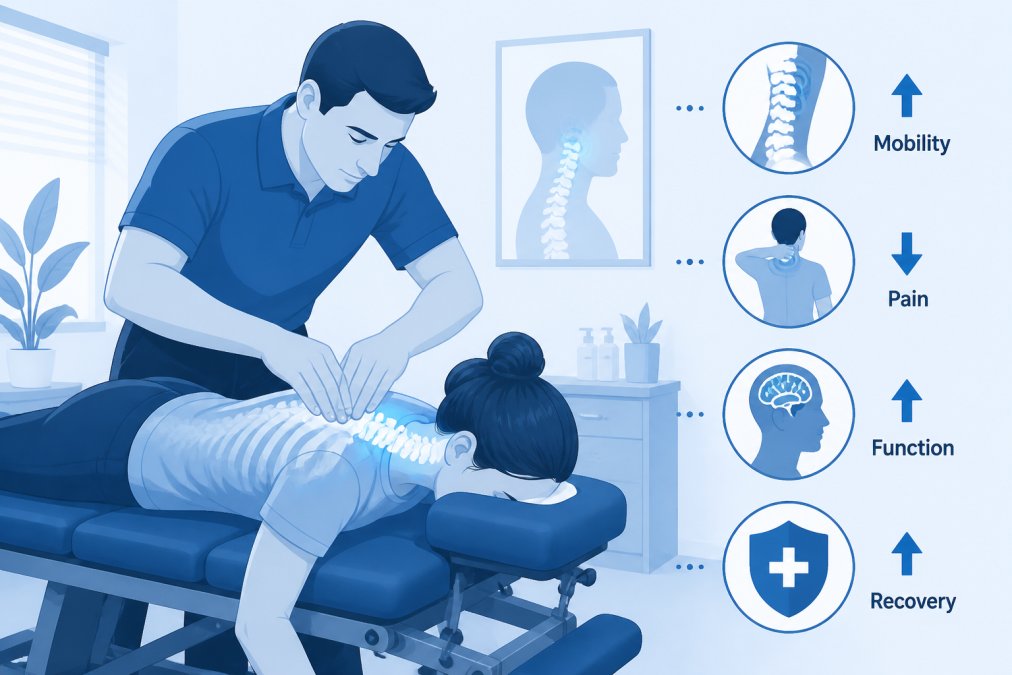
Soft Tissue Mobilization and Inflammation Reduction
Beyond spinal adjustment, chiropractic treatment addresses the muscle tension and soft tissue damage that causes much of the post-accident pain. Soft tissue mobilization techniques, including massage, trigger point therapy, and instrument-assisted techniques, break up adhesions, improve blood flow stimulation, and reduce inflammation in damaged muscles and ligaments.
Inflammation reduction is critical because excessive inflammatory response can become self-perpetuating. Your body's initial inflammatory response protects the injury site, but if inflammation persists unchecked, it creates chronic pain and tissue damage. Therapeutic modalities that reduce inflammation while supporting healing allow tissues to repair properly without developing chronic complications.
These techniques also address muscle tension patterns that develop as your body protects an injury. When muscles remain contracted to guard an injured area, blood flow decreases, limiting oxygen and nutrients available for healing. Soft tissue mobilization restores normal blood flow and muscle function, accelerating recovery.
How Long Does Chiropractic Treatment Take After a Car Accident
Recovery timelines vary significantly based on injury severity, your age, and how quickly you begin treatment. Understanding the phases of recovery helps set realistic expectations for your healing process.
Acute vs. Chronic Recovery Phases
The acute phase typically lasts two to six weeks after an accident. During this period, inflammation is highest, pain is most severe, and your body is in active healing mode. Chiropractic treatment during the acute phase focuses on reducing inflammation, restoring basic spinal alignment, and managing pain to allow rest and healing.
Some patients report noticing improvement in acute-phase symptoms during regular chiropractic care. However, symptom improvement doesn't mean complete healing, tissues are still actively repairing beneath the surface.
The chronic recovery phase extends from six weeks to several months after the accident. During this period, inflammation has decreased, but tissues continue strengthening and remodeling. Treatment shifts toward restoring full range of motion, rebuilding functional strength, and preventing compensation patterns that could create long-term problems.
Some patients continue chiropractic care for three to six months after an accident, especially if the injury was severe or if they're dealing with persistent symptoms. The goal during this phase is complete functional recovery, not just pain relief, but restoration of normal movement patterns and prevention of chronic pain development.
Restoring Mobility and Range of Motion
Range of motion restriction is one of the most common lingering effects of car accident injuries. Even after acute pain resolves, many accident victims find their neck or back won't move through normal directions, or movement creates discomfort.
This restriction develops from several sources: muscle tension that persists after acute inflammation resolves, scar tissue formation in damaged soft tissues, and protective muscle guarding patterns your nervous system maintains even after the injury has healed. Chiropractic treatment addresses each of these through progressive rehabilitation that gradually restores normal movement patterns.
Restoring range of motion requires consistent, progressive treatment. Early sessions focus on gentle mobilization and manual therapy. As healing progresses, your chiropractor introduces active rehabilitation exercises that rebuild strength and neuromuscular control. This progressive approach prevents re-injury while systematically restoring function.
Chiropractic Documentation for Car Accident Claims
If your accident involved another party's negligence, you may pursue an insurance claim or legal action. Proper chiropractic documentation is essential for supporting your claim and ensuring you receive appropriate compensation for your injuries.
Medical Records and Treatment Plans
Your chiropractor maintains detailed medical records documenting your injury assessment, treatment provided, and progress toward recovery. These records serve as objective evidence of your injuries and the necessity of treatment. Insurance adjusters and attorneys rely on these records to evaluate claim validity and determine appropriate compensation.
Comprehensive treatment documentation includes your initial patient assessment, describing symptoms, mechanism of injury, and physical examination findings, plus detailed notes from each subsequent visit. These notes record treatment provided, your response to treatment, and any changes in your condition.
A clear treatment plan outlining the expected course of care strengthens your claim. Insurance companies are more likely to approve ongoing treatment when your chiropractor has documented a specific plan addressing your injuries. This documentation also protects you legally, creating an objective record of your condition and treatment rather than relying on memory.
Diagnostic Imaging and Patient Assessment
Diagnostic imaging, typically X-rays, provides objective evidence of spinal misalignment and structural damage. These images are powerful documentation tools because they show physical findings rather than relying solely on your description of symptoms.
Your chiropractor's patient assessment includes range of motion measurements, orthopedic testing, and neurological examination findings. These objective measures document your functional limitations and provide baseline measurements for tracking recovery progress. When documented consistently across multiple visits, they demonstrate improvement or persistent impairment, supporting your claim.
Insurance adjusters and defense attorneys scrutinize chiropractic claims carefully. Strong documentation with objective findings, imaging, range of motion measurements, neurological testing, makes your claim significantly more credible than subjective symptom descriptions alone.
When to Seek Chiropractic Care vs. Emergency Care
Not every post-accident symptom requires emergency evaluation, but some do. Understanding when to seek emergency care versus chiropractic evaluation helps you get appropriate treatment quickly.
Seek emergency care immediately if you experience severe pain, loss of consciousness, difficulty breathing, numbness or weakness in your limbs, or signs of serious head injury. These symptoms suggest potentially serious conditions requiring emergency medical evaluation. Emergency departments have diagnostic capabilities, CT scans, MRI, that can identify fractures, internal bleeding, and other serious injuries that chiropractic care cannot treat.
After emergency evaluation rules out serious injury, chiropractic care becomes appropriate for managing soft tissue injuries, spinal misalignment, and functional recovery. Many accident victims are discharged from emergency departments once life-threatening injuries have been ruled out, often with instructions to rest and use over-the-counter pain medication as needed. Following an emergency evaluation, a chiropractor can perform a musculoskeletal assessment focused specifically on soft tissues and spinal function. For patients whose symptoms remain or change, this evaluation can serve as an appropriate next step in seeking care.
The optimal approach involves emergency evaluation first (if symptoms suggest serious injury), followed by chiropractic assessment and treatment. Your chiropractor can coordinate with your emergency care physician if needed, ensuring comprehensive management of your injuries.
Preventing Long-Term Chronic Pain After an Accident
The most important reason to seek early chiropractic care is preventing chronic pain development. Many accident victims who don't receive proper treatment develop persistent pain lasting months or years after the initial injury.
Chronic pain develops when acute injuries don't heal properly. Incomplete healing leaves scar tissue, persistent inflammation, and neuromuscular dysfunction that creates ongoing pain signals. Your nervous system becomes sensitized to these signals, amplifying pain perception even as underlying tissue damage gradually resolves.

Early, comprehensive chiropractic treatment interrupts this progression. By addressing spinal misalignment, reducing inflammation, and restoring normal movement patterns during the acute phase, your chiropractor prevents the chronic pain patterns that develop from incomplete healing.
Post-adjustment recovery protocols are equally important. Your chiropractor typically recommends specific exercises, ergonomic modifications, and activity restrictions during healing. These recommendations support your body's healing process and prevent re-injury that could restart the inflammatory cycle.
Early evaluation after an accident can help assess soft tissue injury and support recovery of function. Addressing physical symptoms in the early stages may help before they become more complex or longer-term issues. Early intervention is one part of a comprehensive approach to accident recovery.
Frequently Asked Questions
Should I see a chiropractor immediately after a car accident?
Seek immediate emergency care if you experience severe pain, loss of consciousness, difficulty breathing, or neurological symptoms. For musculoskeletal injuries without emergency warning signs, scheduling a chiropractic evaluation within the first few days is advisable. Early intervention helps document injuries for insurance claims and prevents inflammation from worsening. A chiropractor can perform a patient assessment and diagnostic imaging to identify soft tissue injury and spinal alignment issues before chronic pain develops.
How long does chiropractic treatment take after a car accident?
Recovery timelines vary based on injury severity. Acute whiplash may improve in 2-6 weeks with regular treatment, while more severe soft tissue injuries or chronic pain prevention may require 8-12 weeks or longer. Some patients notice initial improvement in range of motion and comfort within the first few weeks of consistent chiropractic care, though this varies by individual and injury severity. Your chiropractor will develop a personalized treatment plan and adjust the timeline based on your response to manual adjustment and soft tissue mobilization.
What documentation do I need from chiropractic treatment for my insurance claim?
Maintain comprehensive medical records including your initial patient assessment, diagnostic imaging results, treatment plan details, and progress notes from each visit. Document all symptoms, injury dates, and functional limitations. Your chiropractor's records should show the connection between the accident and your musculoskeletal injuries. This documentation supports your personal injury claim and helps insurance adjusters understand the necessity and scope of your chiropractic care for accident-related trauma.
Can chiropractic care help with whiplash and delayed symptoms?
Yes. Whiplash involves soft tissue injury to the cervical spine and surrounding muscles, causing neck pain, stiffness, and neurological symptoms. Chiropractic treatment addresses whiplash through spinal alignment, manual adjustment, and soft tissue mobilization to reduce inflammation and restore range of motion. Many accident victims experience delayed symptoms appearing days or weeks after the collision. Early chiropractic evaluation may help support recovery and address symptoms before they become harder to manage, though outcomes vary by individual.
If you've been in a car accident, don't wait for symptoms to worsen before seeking evaluation. Early evaluation in the weeks following an injury can be an important part of supporting your recovery. At chiropracticcare.clinic, we specialize in accident injury assessment and comprehensive treatment planning designed to restore your function and prevent chronic pain. Contact our office to schedule an evaluation and discuss how chiropractic care can support your recovery.
Learn more about car accident injury care at our Montgomery, AL clinic, or book an evaluation.
Table of Contents
- Understanding Joint Alternatives to Surgery
- Non-Surgical Interventions for Joint Pain Management
- Benefits of Personalized Chiropractic Treatment
- Chiropractic Treatment Plan Duration and Expectations
- Chiropractic Care vs. Franchise Clinics: What Sets Personalized Care Apart
- Lifestyle Modifications and Long-Term Joint Health
- When to Consider Surgery vs. Alternatives
- The Psychological Impact of Choosing Alternatives
- Frequently Asked Questions
Last Updated: August 9, 2026
Understanding Joint Alternatives to Surgery
When chronic joint pain limits your daily life, surgery often feels inevitable. But most people considering joint replacement have never explored personalized, comprehensive nonsurgical care. A growing body of clinical evidence shows that nonsurgical interventions address the root causes of joint dysfunction, misalignment, muscle imbalance, inflammation, and reduced mobility, without the risks and recovery time of surgery.
Joint alternatives personalized care treats you as an integrated system where alignment, movement patterns, muscle strength, and lifestyle influence your pain and function. Rather than replacing a worn-out joint, this approach restores your body's capacity to heal. The alternatives available today span multiple disciplines: chiropractic adjustment combined with corrective exercise, regenerative medicine techniques like platelet-rich plasma and stem cell therapy, targeted pain management, and integrated physical therapy.
At chiropracticcare.clinic, we recognize that effective joint care requires moving beyond one-size-fits-all protocols. This guide helps you evaluate each alternative on its merits and make an informed decision about whether surgery is truly necessary.
Non-Surgical Interventions for Joint Pain Management
Nonsurgical approaches operate on a principle that orthopedic surgeons increasingly acknowledge: most joint pain stems from correctable mechanical and inflammatory issues, not irreversible structural damage.
Physical Therapy and Rehabilitation
Clinical-grade physical therapy involves functional assessment identifying specific movement deficits contributing to your pain. A qualified therapist evaluates your biomechanical alignment, tests range of motion and strength, and designs a rehabilitation protocol targeting those deficits. The process typically begins with manual therapy and soft tissue mobilization, followed by progressive strengthening and functional movement training.
Some patients committing to structured physical therapy for 8-12 weeks report improved function over time. Most see initial improvements within 2-3 weeks of consistent therapy, with meaningful functional gains by week 6-8. Full rehabilitation typically takes 12-16 weeks depending on severity and adherence. Consistency is critical: patients attending twice weekly and performing home exercises progress substantially better than those attending sporadically.
Physical therapy works best for muscle weakness, movement dysfunction, or early-stage joint degeneration. It's less effective as a standalone intervention for advanced cartilage loss, though it remains valuable when combined with other modalities.
Regenerative Medicine and Biologics
Platelet-rich plasma (PRP) injections and stem cell therapy directly address tissue damage and inflammation by introducing concentrated growth factors into the affected joint. PRP involves drawing your blood, concentrating platelets, and injecting them into the joint. A typical protocol involves 2-4 injections spaced 2-4 weeks apart, with noticeable improvement within 4-6 weeks and peak benefits at 2-3 months. Effects typically last 6-12 months.
Stem cell therapy uses your body's own stem cells, typically harvested from bone marrow or adipose tissue, to promote healing. Results emerge over 2-3 months as stem cells promote tissue regeneration. Evidence is growing but mixed, with some patients reporting benefits for early-stage osteoarthritis and cartilage damage, while results are less consistent for advanced degeneration. Regenerative procedures are rarely covered by insurance, and availability varies by provider.
Pain Management Techniques
Nerve blocks involve injecting local anesthetic around specific nerves transmitting pain signals from the joint, providing significant relief for weeks or months and allowing you to participate in physical therapy more effectively.
Anti-inflammatory protocols combine targeted supplementation, dietary modifications, and sometimes medications to reduce systemic inflammation driving joint pain. Specialized injection techniques, including corticosteroid or hyaluronic acid injections, provide temporary pain relief, corticosteroid injections typically 4-12 weeks, hyaluronic acid 3-6 months. These work best strategically to reduce pain enough to engage in rehabilitation.
Benefits of Personalized Chiropractic Treatment
Personalized chiropractic care differs fundamentally from high-volume franchise models. Where franchise clinics optimize for efficiency, personalized practices optimize for individual outcomes.

A personalized approach begins with comprehensive functional assessment. Rather than applying the same protocol to every patient with similar complaints, a chiropractor trained in personalized care evaluates your specific biomechanical patterns and determines which joints are moving improperly. This assessment informs a customized treatment plan addressing your unique structural and functional issues.
Extended treatment sessions typically include 30-45 minutes incorporating adjustment, soft tissue work, corrective exercise instruction, and lifestyle counseling. This comprehensive approach addresses not just the immediate joint issue but the movement patterns perpetuating your pain.
Personalized chiropractic care emphasizes patient education and self-management. You learn which movements aggravate your condition, which exercises stabilize your joints, and how to modify daily activities to reduce stress on vulnerable structures. This knowledge transfers directly into lasting pain reduction because you're actively managing your condition rather than remaining dependent on treatment.
Chiropractic Treatment Plan Duration and Expectations
Understanding realistic timelines prevents frustration and helps you evaluate whether the approach is working.
Initial intensive phase typically lasts 4-8 weeks with 2-3 weekly appointments. The goal is reducing acute pain, restoring basic joint mobility, and correcting movement patterns. Most patients notice meaningful improvement within 2-3 weeks. If you see no improvement after 3-4 weeks, your condition may require additional imaging or a different approach.
Rehabilitation phase follows and typically lasts 4-12 weeks with 1-2 weekly visits. The focus shifts toward building strength, refining movement patterns, and preparing joints for normal activity. By the end, most patients have returned to baseline activities with significantly reduced pain.
Maintenance phase begins once you've achieved functional goals. Some patients transition to monthly or bi-monthly visits; others graduate to self-management with periodic check-ups. Total treatment duration for most chronic joint conditions ranges from 8-20 weeks. The key variable is your commitment to home exercises and lifestyle modifications.
Chiropractic Care vs. Franchise Clinics: What Sets Personalized Care Apart
The chiropractic landscape includes two distinct models: high-volume franchise clinics optimized for efficiency, and personalized practices prioritizing individual outcomes.
Franchise clinics schedule patients in 10-15 minute slots, apply standardized protocols regardless of individual variation, and prioritize throughput. This limits how much individual variation the treatment plan accounts for.
Personalized practices limit patient volume to allow extended appointment times, conduct thorough functional assessments, and customize protocols to individual needs. They invest in ongoing education to stay current with advances in joint preservation and patient-centered care. This approach allows more individualized attention for chronic conditions.
The diagnostic approach differs substantially. Franchise clinics often take X-rays and apply standard interpretations. Personalized practices conduct functional assessments revealing how your joints actually move, information static imaging misses. Treatment duration also differs; personalized practices adjust based on your specific response rather than following predetermined templates.
Personalized chiropractic practices grounded in orthopedic principles and functional assessment produce better results for complex chronic conditions. Franchise clinics excel at providing basic care affordably. Your choice depends on your condition's complexity and priorities.

Lifestyle Modifications and Long-Term Joint Health
Sustainable pain relief requires addressing daily habits and movement patterns perpetuating joint stress.
Ergonomic optimization at work and home directly impacts chronic joint pain. Raising your monitor to eye level, using a chair with proper lumbar support, and taking frequent position breaks reduces joint stress significantly. Many patients experience pain reduction simply from optimizing their work environment.
Movement patterns matter equally. Modify how you perform daily activities until your joints are strong enough to handle normal stress. This might mean using proper lifting technique, avoiding sustained poor postures, or temporarily modifying aggravating activities.
Sleep quality and position affect joint pain substantially. Sleeping on your back or side with proper pillow support reduces overnight stress and morning stiffness.
Physical activity requires careful balance. Consistent, moderate activity, walking, swimming, or other low-impact movement, maintains fitness without aggravating your condition. Most people find 30 minutes of moderate activity 5 days weekly supports long-term joint health.
As part of an ongoing chiropractic care plan, many patients find that anti-inflammatory eating habits, whole foods, omega-3 fatty acids, and vegetables, support their overall recovery alongside treatment. This is a lifestyle complement, not a substitute for care.
Stress management directly affects pain perception and inflammation. Meditation, breathing exercises, or adequate sleep reduce inflammation and improve pain tolerance.
Weight management affects joint stress, particularly for lower extremity joints. Each pound of excess weight increases stress on knees, hips, and ankles by 3-6 pounds during walking. Even 5-10 pound reductions produce measurable improvements.
When to Consider Surgery vs. Alternatives
The decision between surgical and nonsurgical approaches requires honest assessment of your condition's severity, response to conservative care, and goals.
Clear indicators that surgery may be necessary include: progressive neurological deficits (weakness, numbness, or loss of bowel/bladder control), severe structural damage visible on imaging combined with corresponding functional loss, or failed conservative treatment after 3-6 months of consistent, appropriate care.
However, many patients pursue surgery without adequately exploring conservative options. The appropriate decision process involves: first, pursuing conservative care for adequate duration with appropriate intensity, 8-12 weeks of consistent physical therapy or 4-8 weeks of personalized chiropractic care. Second, if conservative care produces meaningful improvement, continue that approach; surgery can always be pursued later if needed. Third, if conservative care produces no improvement after adequate trial, then surgical consultation is appropriate.
Your age and activity level inform the decision. Younger patients with higher activity demands sometimes benefit from surgical intervention; older patients often achieve excellent functional outcomes through conservative care alone. The goal is pursuing the least invasive intervention producing your desired outcome.
According to American Academy of Orthopaedic Surgeons guidelines, most patients with chronic joint pain should pursue conservative treatment for 6-12 weeks before considering surgery.
The Psychological Impact of Choosing Alternatives
The decision to pursue joint alternatives rather than surgery carries psychological and financial dimensions affecting your long-term wellbeing.
Psychologically, pursuing surgery creates a narrative that your joint is broken and needs replacement. This narrative often becomes self-fulfilling, with patients developing anxiety around movement and increased pain perception. Conversely, patients pursuing conservative care maintain an active relationship with their bodies, learning that pain is manageable through their own efforts.
When you reduce your own pain through exercise and targeted treatment, you gain confidence and agency. Many patients report feeling more confident and in control of their condition through conservative care.
The choice between joint surgery and alternatives depends on your specific condition, response to conservative care, and personal priorities. The evidence increasingly supports pursuing personalized, comprehensive nonsurgical care before considering surgery. Most chronic joint pain responds favorably to appropriate conservative treatment.
At chiropracticcare.clinic, we help patients navigate this decision by conducting thorough functional assessments, explaining your specific condition clearly, and designing personalized treatment plans. Our goal is restoring your function and reducing your pain through evidence-based, patient-centered care that preserves your joint's natural structure. When you're ready to explore whether joint alternatives can resolve your pain, consult with a qualified healthcare provider to develop your personalized treatment strategy.
| Alternative | Duration | Best For | Key Consideration |
|---|---|---|---|
| Physical Therapy | 8-16 weeks | Movement dysfunction, muscle weakness | Requires consistent home exercise |
| Regenerative Medicine | 2-3 months to peak effect | Early cartilage damage, inflammation | Rarely insurance-covered |
| Personalized Chiropractic | 8-20 weeks | Joint misalignment, chronic pain | Requires commitment to lifestyle changes |
| Nerve Blocks | 4-12 weeks per injection | Acute pain management | Temporary relief, enables rehabilitation |
| Lifestyle Modification | Ongoing | Long-term joint health | Foundation for all other approaches |
Frequently Asked Questions
What are the main joint alternatives to surgery?
Joint alternatives to surgery include physical therapy, regenerative medicine (such as platelet-rich plasma and stem cell therapy), chiropractic care, pain management techniques, and lifestyle modifications. These non-surgical interventions address inflammation reduction, improve joint function, and support musculoskeletal health without the risks and recovery time associated with surgical procedures. A personalized care plan can combine several of these approaches for optimal outcomes.
What are the benefits of personalized chiropractic treatment compared to franchise clinics?
Personalized chiropractic treatment offers extended visit times, direct communication with your chiropractor, and customized care plans tailored to your specific biomechanics and health goals. Franchise clinics typically operate on high-volume models with shorter appointments. Personalized care focuses on understanding your unique condition, providing comprehensive rehabilitation protocols, and addressing root causes rather than just symptom relief, leading to better long-term functional outcomes.
How long does a typical chiropractic treatment plan duration last?
Chiropractic treatment plan duration varies based on the severity of your condition, age, and overall health. Initial corrective care phases typically range from 4 to 12 weeks with multiple visits per week. After initial treatment, many patients transition to maintenance care with fewer visits monthly. Your chiropractor will establish a personalized timeline during your functional assessment and adjust the plan based on your progress and response to care.
When should I consider joint alternatives instead of surgery?
Consider joint alternatives when you have early to moderate joint degeneration, want to avoid surgical risks and recovery time, or prefer a conservative approach first. Non-surgical interventions work best for patients committed to rehabilitation protocols and lifestyle changes. However, if you have severe joint damage, significant functional loss, or conservative treatments have failed after 3-6 months, surgery may become necessary. A qualified healthcare professional can assess your specific situation.
Can personalized chiropractic care address chronic pain that other doctors couldn't resolve?
Personalized chiropractic care uses a patient-centered approach that examines biomechanical alignment, joint function, and musculoskeletal patterns other practitioners may have overlooked. Through detailed functional assessments and customized rehabilitation, chiropractors can identify and address structural causes of chronic pain. However, success depends on your condition's nature, your commitment to the treatment plan, and whether chiropractic intervention is appropriate for your specific diagnosis. A consultation with a qualified chiropractor can determine if this approach is suitable for your situation.
If you would like this looked at in person, you can book an evaluation at our Montgomery, AL clinic.
Table of Contents
- Why Online Chiropractic Consultations Are Available Now
- How to Book a Chiropractic Consultation Online
- What to Expect at a Chiropractic Consultation
- Chiropractic Assessment Questions to Ask
- Chiropractic Insurance Coverage in 2026
- Technical Requirements and Privacy Considerations
- Preparing for Your First Online Chiropractic Appointment
- Frequently Asked Questions
Why Online Chiropractic Consultations Are Available Now
Telehealth technology has fundamentally changed how patients access chiropractic care. Secure video platforms now allow chiropractors to conduct remote examinations, review health histories, and provide initial treatment recommendations from anywhere. Telehealth regulations vary by state; check with the Alabama State Board of Chiropractic Examiners or your practitioner to confirm what's permitted. Improved video conferencing technology also helps ensure clear communication during remote examinations.
Don't let discomfort hold you back; book your consultation online today at Chiropractic Care Clinic to explore how our diagnostic-first approach can enhance your well-being.

Remote consultations reduce wait times, eliminate travel costs, and allow patients to discuss symptoms from their own environment, often revealing postural issues or ergonomic problems that wouldn't be apparent in a clinical setting.
Book your first consultation during a time when you're experiencing your typical symptoms. This gives the chiropractor a more accurate picture of your condition during the remote assessment.
How to Book a Chiropractic Consultation Online
The process of booking an online chiropractic consultation follows a straightforward workflow designed to minimize friction while gathering the information needed for an effective initial assessment.
Begin your journey toward enhanced wellness with confidence by scheduling your first consultation to focus on identifying the root cause of your discomfort, choose book your chiropractic consultation today.
Step 1: Find a Licensed Chiropractor
Start by identifying a licensed chiropractor in your state who offers virtual consultation services. Verify that the practitioner holds a valid state license through your state's licensing board or the Federation of Chiropractic Licensing Boards directory. Look for practitioners who specialize in your specific condition, whether chronic back pain, neck pain from auto accidents, or sports-related injuries.
Consider the practice's approach to digital health. Some clinics use dedicated telehealth platforms with HIPAA-compliant security features, while others use standard video conferencing. Ask about their technology setup during your initial contact, reliable video quality and secure communication are essential for an effective remote examination.
Step 2: Check Availability and Select Your Appointment
Access the chiropractor's live calendar through their booking widget or practice management software. Most systems display available time slots in real time. Select an appointment time that allows you to be in a quiet, private space with good lighting and a stable internet connection. Avoid booking during times when you're rushed or distracted.
Confirm your appointment details and any intake requirements before your booking is complete.
Step 3: Complete Your New Patient Intake
After booking, you'll receive a link to a new patient intake form. Complete it thoroughly within 24 hours of your appointment. The form typically requests:
- Your complete medical history, including past injuries, surgeries, and ongoing conditions
- Current medications and supplements
- Details about your primary complaint: when it started, what makes it worse, what provides relief
- Your occupation and typical daily activities
- Previous treatments you've tried and their outcomes
- Insurance information, if applicable
The intake process creates the foundation for your remote assessment. Incomplete or inaccurate forms often result in less precise initial assessments.
Step 4: Prepare Your Space for the Remote Examination
Set up your space at least 30 minutes before your appointment. Position your device at eye level using a stand or propped position. The camera should capture your full torso, allowing the chiropractor to observe your posture, shoulder alignment, and spinal positioning.
Ensure adequate lighting. Natural light from a window is ideal, but a desk lamp positioned to avoid glare works well. Wear comfortable clothing that allows full range of motion, the chiropractor will ask you to perform simple movements like neck rotation, forward bending, or shoulder rolls.
Test your internet connection before the appointment. A stable connection is essential for clear video and audio. Close unnecessary browser tabs and applications to maximize bandwidth.
Avoid booking your consultation in a noisy environment or during times when family members, pets, or coworkers might interrupt. Interruptions compromise the clinical focus and can result in incomplete assessments.
What to Expect at a Chiropractic Consultation
A remote chiropractic consultation typically lasts 30 to 45 minutes and follows a structured clinical protocol.
Initial Health History Review
The chiropractor begins by reviewing your intake form and asking clarifying questions about your medical history. Expect detailed questions about your primary complaint: exactly where you feel pain, whether it's constant or intermittent, what activities trigger it, and what provides temporary relief.
The practitioner will ask about your occupation and daily habits. If you work at a desk, they'll ask about your chair setup and monitor height. If you're an athlete or do physical labor, they'll explore how your activities relate to your symptoms. Be specific and honest during this phase.
Remote Assessment and Diagnostic Explanation
The chiropractor will guide you through a series of movements and tests visible on video. Common assessment elements include:
- Posture analysis: The chiropractor observes your standing posture, looking for asymmetries, forward head position, or shoulder misalignment
- Range of motion testing: You'll perform neck rotations, forward bending, lateral bending, and other movements while the practitioner observes limitations or pain responses
- Gait observation: Walking in place reveals patterns that might contribute to your symptoms
- Functional movement screening: Simple tasks like reaching overhead help identify movement restrictions
The chiropractor will explain their findings in plain language, describing what they observed and connecting it to your symptoms.
The remote assessment cannot replace hands-on evaluation for certain conditions, but it effectively identifies postural dysfunction, movement restrictions, and functional limitations that drive most musculoskeletal complaints.
Treatment Recommendations and Next Steps
Based on the assessment, the chiropractor will recommend a course of action. This might include in-person visits for hands-on adjustment and treatment, a series of at-home exercises, ergonomic modifications, or a combination of approaches.
The chiropractor will discuss the expected timeline for improvement and explain how many visits they anticipate you'll need. You'll receive detailed instructions for any exercises or modifications recommended. Many practices send written guides, videos, or links to exercise libraries after your consultation.
Chiropractic Assessment Questions to Ask
Come prepared with specific questions about your condition and treatment plan:
About Your Condition:
- What specific structures are contributing to my symptoms?
- Is this condition likely to improve with treatment, or will I need ongoing management?
- Are there activities I should avoid while being treated?
- How quickly should I expect to notice improvement?
About Treatment:
- Will I need in-person visits, or can this be managed through remote consultations?
- What happens if my symptoms don't improve after the recommended number of visits?
- How will we measure progress?
About Self-Care:
- What exercises or stretches should I do daily?
- Are there ergonomic changes I should make at work or home?
- Should I use ice, heat, or other modalities between appointments?
About Your Specific Situation:
- Given my age and condition, are there any contraindications to chiropractic care?
- How does this treatment relate to other care I'm receiving?
Chiropractic Insurance Coverage in 2026
Insurance coverage for chiropractic care varies significantly depending on your plan type, your state, and whether you're seeking in-person or telehealth services.
Coverage varies by plan. Contact your insurer or the practice directly to understand your specific benefits before booking your consultation.
Technical Requirements and Privacy Considerations
For the video consultation, you need a device with a camera and microphone. Internet speed should be at least 2.5 Mbps download and 1.5 Mbps upload for stable video. Test your connection beforehand using a speed test tool.
Verify that the chiropractor uses HIPAA-compliant telehealth software. HIPAA (Health Insurance Portability and Accountability Act) is the federal regulation governing protected health information. Ask the practice directly: "What telehealth platform do you use, and is it HIPAA-compliant?" Reputable practices use dedicated telehealth solutions like Zoom for Healthcare, Teladoc, or practice-specific platforms designed for medical consultations.
Confirm that the practice stores records securely and has policies limiting access to clinical staff. If you're in a workers' compensation or personal injury case, understand how your records will be handled.
Preparing for Your First Online Chiropractic Appointment

Three days before your appointment, begin paying attention to your symptoms. Keep a brief log: when does your pain occur, what activities trigger it, what provides relief, and how does it affect your daily functioning?
The day before your appointment, review your completed intake form and ensure all information is accurate. If you've had recent imaging, have the images or reports available to share during the consultation.
On the day of your appointment, avoid strenuous activity that might aggravate your symptoms. Arrive at your prepared space 10 minutes early and test your video and audio one final time. Have your insurance card, photo ID, and any medical records nearby. Close email, text notifications, and other distractions.
During the consultation, be honest about your symptoms and your expectations. If you don't understand an explanation, ask for clarification.
Booking a chiropractic consultation online removes traditional barriers to accessing care. The process is straightforward, the technology is reliable, and remote assessment effectively identifies the postural and movement dysfunction that drives most musculoskeletal complaints. Start by finding a licensed chiropractor who offers telehealth services, complete your intake form thoroughly, and prepare your space for an effective remote examination. Your first consultation is the foundation for understanding your condition and developing a realistic treatment plan tailored to your specific needs.
Frequently Asked Questions
What should I prepare before my first online chiropractic consultation?
Prepare a quiet, well-lit space with a stable internet connection and camera at eye level. Have your medical history, current symptoms, and any previous imaging or reports available. Wear comfortable clothing that allows movement for the remote assessment. Clear any clutter behind you and ensure your provider can see your posture and range of motion during the virtual consultation.
Will Medicare cover my online chiropractic consultation in 2026?
Medicare Part B covers chiropractic services, including spinal manipulations, with a current annual limit. However, coverage varies by plan and region. Coverage for remote assessments versus in-person treatment may differ. Contact your Medicare plan directly or ask your chiropractor's office to verify coverage before your appointment, as eligibility and benefits change annually.
Is a virtual chiropractic consultation effective for initial assessments?
Remote examinations can assess posture, range of motion, and musculoskeletal pain patterns through video. Your chiropractor will review your health history, ask diagnostic questions, and provide treatment recommendations. However, in-person follow-up visits may be necessary for hands-on manipulation or more detailed clinical diagnosis. Many patients use online consultations to determine whether in-person care is appropriate.
What questions should I ask during my chiropractic assessment?
Ask about the chiropractor's experience with your specific condition, the expected treatment timeline, how many visits you'll need, and what results to expect. Inquire about their qualifications, whether they communicate with your other healthcare providers, and how they handle insurance billing. Ask about red flags that would require referral to another specialist and what happens if your symptoms don't improve after treatment.
Learn more about what to expect as a new patient at Chiropractic Care Clinic in Montgomery, AL.
Table of Contents
- How Chiropractic Adjustments Address Neck Pain
- Cervical Spine Adjustment Safety: Risks and Contraindications
- Common Causes of Neck Pain and When Chiropractic Care Helps
- What to Expect During Your First Chiropractic Visit
- Chiropractic Treatment Duration for Neck Pain: Timeline and Recovery
- Neck Pain Relief Exercises and Home Care After Adjustment
- Chiropractic Care vs. Medical Treatment: When to See Which Professional
- Frequently Asked Questions
Last Updated: August 7, 2026
How Chiropractic Adjustments Address Neck Pain
Chiropractic care for neck pain works by restoring mobility to restricted joints in the cervical spine through manual adjustment techniques. When vertebrae become misaligned or lose their normal range of motion, surrounding muscles tighten and nerves can become irritated, creating stiffness and discomfort. A chiropractor applies controlled force to these joints to improve alignment and reduce nerve irritation, which often alleviates pain and restores function.
The cervical spine is remarkably complex, seven vertebrae stacked with precise spacing, supported by dozens of muscles and ligaments. Poor posture, repetitive strain, or sudden trauma disrupts this delicate balance. Chiropractic adjustments target the root mechanical problem rather than just masking symptoms. When joint mobility improves, muscles often relax and pain signaling from the area may decrease.
Not every neck pain case responds the same way. Some patients see relief within days; others require several weeks of treatment. The difference depends on how long the problem has existed, what caused it, and how well your body responds to manual therapy.
Many patients assume neck pain requires surgery or long-term medication. In practice, conservative care like chiropractic adjustment helps many people with mechanical neck pain avoid more invasive options — though outcomes vary by individual.
Cervical Spine Adjustment Safety: Risks and Contraindications
Cervical spine adjustment safety deserves a direct answer: the procedure carries real but uncommon risks. The most serious potential complication is vertebral artery dissection, where the artery wall tears, potentially leading to stroke. This is a rare complication. Published risk estimates vary, and your chiropractor should discuss what is known about the risk with you individually before treatment.
Certain conditions make cervical manipulation contraindicated: severe osteoporosis, active inflammatory arthritis, spinal cord compression confirmed by imaging, anticoagulation therapy, or recent neck trauma. A thorough evaluation before treatment is essential. Qualified chiropractors perform screening tests and review imaging to identify these red flags.
Common side effects are mild and temporary: brief soreness, muscle stiffness, or mild headache following adjustment, typically resolving within 24 to 48 hours. Serious adverse reactions are exceptionally rare when treatment is provided by a licensed, trained professional who follows proper protocols.
The evidence supports that cervical manipulation, when appropriately indicated, is generally safe. This means proper patient screening, accurate diagnosis, and skilled technique. Not all neck pain warrants adjustment; some cases respond better to soft tissue therapy, stretching exercises, or ergonomic correction alone.
If you have unexplained dizziness, severe headaches, or neurological symptoms like numbness or weakness that worsens after adjustment, seek immediate medical evaluation.
Common Causes of Neck Pain and When Chiropractic Care Helps
Neck pain stems from many sources, and understanding the cause determines whether chiropractic care is appropriate. The most common culprit is postural strain from hours hunched over phones and computers, pulling the cervical spine forward and creating muscular imbalance. This type of pain responds exceptionally well to chiropractic adjustment combined with ergonomic correction and strengthening exercises.
Whiplash injuries from car accidents create sudden acceleration-deceleration motion that tears soft tissue and causes joint dysfunction. Chiropractic care addresses the biomechanical component, restoring joint mobility and reducing muscle guarding. However, multimodal treatment combining adjustment, soft tissue work, and rehabilitation typically produces better outcomes than adjustment alone.
Degenerative disc disease and cervical arthritis present more complex scenarios. As discs lose hydration or joints develop bone spurs, available space for nerves narrows. Chiropractic adjustment can improve remaining mobility and temporarily reduce symptoms, but cannot reverse structural degeneration. In these cases, chiropractic care works best as part of a broader pain management strategy.
Muscle strain from repetitive activities or poor sleeping position often responds quickly to adjustment combined with postural correction. Tension headaches originating from cervical dysfunction also improve significantly with chiropractic treatment, as restoring normal cervical biomechanics reduces the muscle tightness triggering headaches.
Acute mechanical problems and postural dysfunction respond well to chiropractic care. Chronic structural changes or neurological conditions require a more cautious approach and often benefit from collaboration with medical professionals.

What to Expect During Your First Chiropractic Visit
Your first visit to a chiropractic clinic follows a predictable structure designed to gather information, assess your condition, and determine appropriate treatment. Expect to spend 45 to 60 minutes in the office, though actual hands-on treatment typically lasts 15 to 20 minutes.
The appointment begins with a detailed intake form covering your medical history, current symptoms, past injuries, and lifestyle factors. A thorough chiropractor asks specific questions: When did the pain start? What makes it better or worse? Does it radiate into your arms? Have you had imaging done?
The physical examination includes range of motion testing, palpation to identify areas of restriction or misalignment, and orthopedic tests to check for nerve involvement. Many chiropractors perform postural analysis, comparing your head and shoulder position to ideal alignment.
Imaging may be recommended. X-rays reveal bone alignment and degenerative changes; MRI shows soft tissue detail. Not every case requires imaging, but when structural questions exist, imaging provides crucial information.
After examination, the chiropractor explains their findings in plain language, describing what they found, what's causing your pain, and their recommended treatment approach. This is your opportunity to ask questions before any treatment begins.
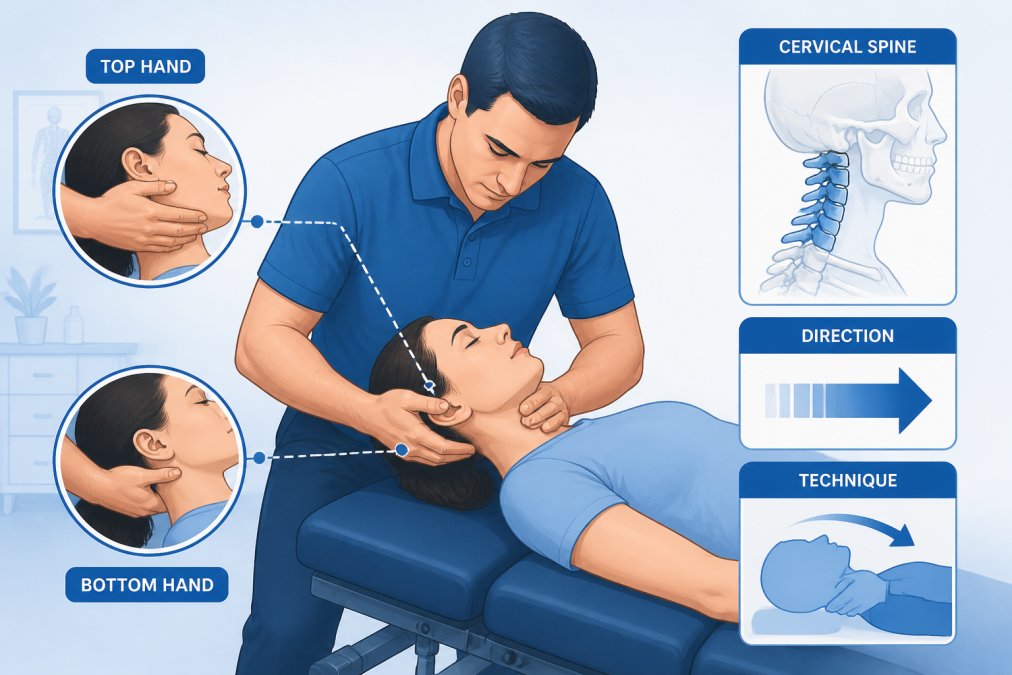
The first adjustment typically happens during this visit. You'll lie on a padded treatment table, usually face-down or on your side. The chiropractor positions your head and neck, then applies a quick, controlled thrust to a specific vertebra. Most patients report relief or relaxation immediately following adjustment.
A quality first visit provides education about your condition and realistic expectations about treatment duration. If a chiropractor guarantees quick fixes or pressures you into long-term packages without assessment, that's a red flag.
Chiropractic Treatment Duration for Neck Pain: Timeline and Recovery
Chiropractic treatment duration for neck pain varies based on the underlying cause, how long the problem has existed, and individual healing capacity. Acute injuries often show improvement within 2 to 4 weeks of consistent treatment. Chronic pain lasting months or years typically requires 8 to 12 weeks before meaningful, lasting improvement emerges.
A typical treatment plan for acute neck pain involves 2 to 3 visits per week for the first 2 to 3 weeks, then tapering to 1 visit weekly as improvement occurs. For chronic conditions, many patients benefit from twice-weekly treatment initially, transitioning to weekly visits as mobility improves.
Recovery after a single adjustment is usually immediate, with most people feeling freer movement and reduced pain within hours. This improvement often plateaus after 24 to 48 hours as the body adapts. Subsequent adjustments build on this improvement, gradually restoring fuller function.
The real timeline question is: how long until lasting improvement without treatment? This depends on addressing the cause. If your neck pain stems purely from postural strain, correcting posture and strengthening muscles might resolve it in 6 to 8 weeks. If it involves degenerative changes, you may need ongoing maintenance care, perhaps monthly visits, to manage symptoms long-term.
Some patients plateau and stop improving after several weeks. This suggests either that chiropractic adjustment alone isn't sufficient, or that additional interventions like therapeutic exercises, ergonomic changes, or medical evaluation are needed. A competent chiropractor recognizes these situations and adjusts the treatment approach.
Track your progress with specific metrics: Can you turn your head further? Is pain worse at certain times of day? Are headaches less frequent? Documenting these changes helps your chiropractor adjust treatment and gives you concrete evidence of improvement.
Neck Pain Relief Exercises and Home Care After Adjustment
Chiropractic adjustment alone produces temporary relief, but lasting improvement requires active participation through home care and therapeutic exercises. The exercises recommended depend on what caused your neck pain and what movement patterns need correction.
For postural neck pain, gentle cervical stretches are foundational. A simple forward neck flexion stretch involves sitting upright and slowly bringing your chin toward your chest, holding for 20 to 30 seconds. Lateral neck flexion, tilting your ear toward your shoulder, stretches the opposite side. Perform stretches 2 to 3 times daily, especially after prolonged desk work.
Strengthening exercises become important once acute pain improves. Isometric neck exercises, where you resist movement without actually moving, build muscular support without straining healing tissues. Place your hand against your head and push gently without allowing any movement, holding for 5 seconds. Repeat in all four directions.
Ergonomic correction addresses the root cause of postural neck pain. Your monitor should be at eye level, not below it. Your chair should support your lower back curve. Your phone should come to ear level rather than forcing your neck into forward flexion. Many people spend hundreds on chiropractic care while maintaining the exact posture that caused the problem; fixing this dramatically accelerates recovery.
Ice application helps during the first 24 to 48 hours after injury or adjustment, reducing inflammation. Heat becomes more useful after acute inflammation subsides, as it relaxes muscles and improves circulation. Apply for 15 to 20 minutes at a time.
Sleep position matters significantly. Your pillow should support your neck's natural curve without forcing it into flexion or extension. A pillow that's too flat leaves your neck unsupported; one that's too thick forces your head upward. Side sleepers and back sleepers have different optimal pillow heights.
Stress management indirectly supports neck pain recovery. Emotional stress creates muscle tension, particularly in the neck and shoulders. Activities like walking, gentle yoga, or meditation reduce both stress and muscle guarding.
Chiropractic Care vs. Medical Treatment: When to See Which Professional
Chiropractic care and medical treatment address neck pain from different angles. Understanding when each approach is most appropriate prevents unnecessary delays and improves outcomes.
Medical doctors, particularly those trained in physical medicine and rehabilitation or orthopedic spine care, excel at diagnosis and ruling out serious conditions. They order and interpret imaging, prescribe medications for inflammation or pain, and manage complex cases. If your neck pain involves neurological symptoms, numbness, tingling, or weakness, medical evaluation is essential to rule out nerve compression.
Chiropractors specialize in musculoskeletal mechanics. They excel at identifying and correcting joint dysfunction, muscle imbalance, and postural problems. For purely mechanical neck pain without neurological involvement, chiropractic care often provides faster relief than medical management alone.
The ideal scenario for many patients is collaborative care. A medical doctor confirms the diagnosis and rules out serious pathology. A chiropractor provides hands-on treatment and rehabilitation. Physical therapists design and supervise progressive strengthening programs.
When to see a doctor first: sudden severe pain, pain following trauma, numbness or tingling in arms or hands, weakness, loss of bladder or bowel control, fever, unexplained weight loss, or pain that wakes you at night.
When chiropractic care is appropriate first: postural neck stiffness, mild to moderate mechanical pain without neurological symptoms, pain that worsens with certain movements, or pain that improves with movement and stretching.
The research supports both approaches for appropriate cases. Some clinical guidance on manual therapy and exercise for musculoskeletal pain generally supports conservative approaches as a reasonable first step — ask your provider for evidence specific to neck pain. Systematic reviews of spinal manipulation suggest modest benefits for acute neck pain, particularly when combined with exercise, though ask your provider for sources specific to your case. The National Center for Complementary and Integrative Health notes that chiropractic care is among the most commonly used complementary approaches for neck and back pain.
The critical distinction is matching the treatment to the problem. Not every neck pain needs a doctor. Not every neck pain responds to chiropractic adjustment alone. Accurate diagnosis determines the right path forward.
Neck pain disrupts daily life, limits your ability to work comfortably, and creates anxiety about whether the problem will worsen. Chiropractic care addresses the mechanical root of many neck pain cases, restoring mobility and function without medication or surgery. At chiropracticcare.clinic, we evaluate each patient's specific condition and develop a treatment plan targeting the actual cause rather than just managing symptoms.
The evidence supports chiropractic care for mechanical neck pain, particularly when combined with home care and ergonomic correction. Understanding what works, what the risks are, and when to seek alternative care ensures you make informed decisions about your health. Start with a thorough evaluation from a qualified practitioner, follow through with recommended exercises and postural changes, and track your progress. Most mechanical neck pain improves significantly with appropriate conservative care.
| Scenario | Best Initial Approach | Why |
|---|---|---|
| Postural neck stiffness, no neurological symptoms | Chiropractic care | Addresses mechanical dysfunction directly |
| Acute pain following trauma | Medical evaluation first | Rules out serious injury before treatment |
| Chronic pain with numbness or tingling | Medical evaluation first | Neurological symptoms require diagnostic imaging |
| Pain that worsens with specific movements | Chiropractic care | Indicates joint dysfunction treatable with adjustment |
| Pain unresponsive to 6 weeks of conservative care | Medical re-evaluation | May indicate structural problem requiring different approach |
Frequently Asked Questions
Do chiropractors actually help with neck pain?
Chiropractic care can reduce neck pain, stiffness, and improve range of motion in many patients, particularly those with musculoskeletal causes like poor posture or muscle tension. However, effectiveness depends on the underlying cause. Conditions like nerve compression, arthritis, or post-injury pain may respond differently. A qualified chiropractor will assess your specific condition and discuss realistic outcomes. If symptoms persist after several weeks of treatment, consultation with a medical doctor is advisable to rule out serious underlying conditions.
How many chiropractic sessions are needed for neck pain?
Treatment duration varies based on the cause and severity of your neck pain. Acute pain from muscle tension may improve in 2-4 weeks with 2-3 visits per week. Chronic conditions typically require 6-12 weeks of treatment, with frequency tapering as improvement occurs. Your chiropractor will develop a personalized plan and reassess progress regularly. Some patients benefit from ongoing maintenance visits monthly or quarterly, while others achieve lasting relief and discontinue treatment. Discuss expected timelines and visit frequency during your initial consultation.
What are the risks of chiropractic neck adjustments?
Cervical spine adjustments carry rare but serious risks, including vertebral artery dissection, which can lead to stroke. More common side effects include temporary soreness, headache, or dizziness lasting hours to days. Certain conditions, such as osteoporosis, arthritis, or spinal cord compression, may contraindicate manipulation. Inform your chiropractor of all health conditions, medications, and prior injuries. Chiropractors trained in proper technique and screening protocols significantly reduce adverse reactions. If you experience severe headache, vision changes, or neurological symptoms after adjustment, seek immediate medical attention.
Can neck pain relief exercises replace chiropractic care?
Exercises can be effective for mild to moderate neck pain caused by muscle tightness and poor posture, but they work best when combined with professional assessment. A chiropractor can identify the root cause, provide hands-on treatment to restore joint mobility, and teach you exercises tailored to your condition. Self-directed stretching alone may not address joint misalignment or nerve irritation. Many patients benefit most from initial chiropractic treatment followed by a structured home exercise program to prevent recurrence and maintain long-term relief.
If you would like this looked at in person, you can book an evaluation at our Montgomery, AL clinic.
Table of Contents
- Understanding the Causes of Poor Posture and Pain
- The Link Between Posture and Back Pain
- Step 1: Assess Your Current Posture and Spinal Alignment
- Step 2: Posture Correction Exercises for Neck and Shoulder Relief
- Step 3: Core Stabilization and Strengthening for Lumbar Support
- Step 4: Ergonomic Desk Setup for Back Pain Prevention
- Step 5: Daily Habits to Prevent Slouching and Maintain Neutral Spine
- How Long to Fix Rounded Shoulders and Postural Awareness
- Frequently Asked Questions
Last Updated: August 6, 2026
Understanding the Causes of Poor Posture and Pain
Poor posture develops from sedentary lifestyles, prolonged desk work, and repetitive strain. When you spend hours hunched over a computer or looking down at a phone, your chest muscles tighten while your back muscles weaken, creating a muscle imbalance that becomes increasingly difficult to correct without intervention.
For those spending long hours sitting at their desks, office posture adjustments offer tailored insights into addressing these specific discomforts and preventing further issues.
Muscle imbalance is often a root cause behind posture-related pain. Your postural muscles, in your neck, shoulders, and lower back, are designed to support your spine against gravity. When underdeveloped or overworked, they can't maintain neutral spine alignment, forcing your vertebral column into compromised positions that compress nerves and irritate soft tissues. Considering postural stress, gentle chiropractic care is highly beneficial for office workers specifically.
For a deeper dive into whether poor posture specifically affects shoulder pain, explore our Can Poor Posture Cause Shoulder Pain? companion post to understand how maintaining spinal health can alleviate related discomfort.
Age, stress, and psychological factors also play significant roles. Stress causes you to unconsciously raise your shoulders and round your thoracic spine, creating a cycle where poor posture increases stress and stress worsens posture.
For those experiencing strain due to desk work, our complementary post on ergonomic desk-setup fixes offers valuable insights into creating a supportive workspace that complements chiropractic care by addressing environmental factors contributing to posture challenges.
Poor posture develops from muscle imbalance, sedentary habits, and repetitive strain. The longer these patterns persist, the more your spine adapts to misalignment, making correction harder without targeted intervention.
The Link Between Posture and Back Pain
The connection between posture and back pain is biomechanical and direct. Your spine's vertebrae are separated by discs that act as shock absorbers. When your posture is poor, your vertebral column shifts out of alignment, placing excessive stress on certain discs and joints.
Forward head posture is particularly damaging. As your head moves forward of neutral, the load on your cervical spine increases substantially — one reason forward head posture is linked to neck and shoulder pain. This is why people with severe forward head posture often experience chronic neck pain radiating into their shoulders and upper back.
Slouching creates similar problems in your lumbar spine. When you collapse your thoracic spine, your pelvis tilts backward and your lower back flattens, straining posterior ligaments and increasing disc pressure. Over time, this leads to disc degeneration, herniation, and chronic lower back pain.
Pain often emerges months or years after poor posture begins because your body has remarkable adaptive capacity. When pain finally emerges, most people don't connect it to their posture. Many practitioners observe that patients with more neutral spinal alignment tend to report less chronic pain, though posture is one of several contributing factors.
Ignoring posture-related pain often leads to progressive degeneration. What starts as mild discomfort can develop into chronic conditions requiring more intensive treatment. Early intervention through posture correction exercises and ergonomic adjustments can prevent years of pain.
Step 1: Assess Your Current Posture and Spinal Alignment
Before fixing posture pain, you need an honest assessment of your current alignment. This reveals which muscles are tight, which are weak, and where your spine deviates from neutral.
Start with the wall test. Stand with your back against a wall, heels about six inches away. Your head, shoulders, and buttocks should all touch the wall simultaneously. If your head pulls forward, you have forward head posture. If there's excessive space between your lower back and the wall, your pelvis is tilted. If your shoulders don't touch the wall, you have rounded shoulders.
Next, assess your range of motion. Turn your head slowly to each side, you should rotate about 90 degrees without pain. Bend forward and try to touch your toes; healthy spinal mobility allows most people to reach their shins or toes without bouncing. Check your shoulder positioning by letting your arms hang naturally; your palms should face forward. If they face backward, your shoulders are internally rotated.
Take a side-view photo or video of yourself standing naturally. Draw an imaginary vertical line from your ear through your shoulder, hip, knee, and ankle. In neutral alignment, this line should be relatively straight.
The most revealing assessment is video from the side during your normal daily activities. This shows the posture you actually maintain most of the time, not the corrected version you adopt during formal assessment.
Step 2: Posture Correction Exercises for Neck and Shoulder Relief
Posture correction exercises target specific muscle imbalances causing your pain. The goal is to strengthen weak muscles while stretching tight ones, gradually restoring balance. Most people need 4-6 weeks of consistent exercise before noticing significant improvement.
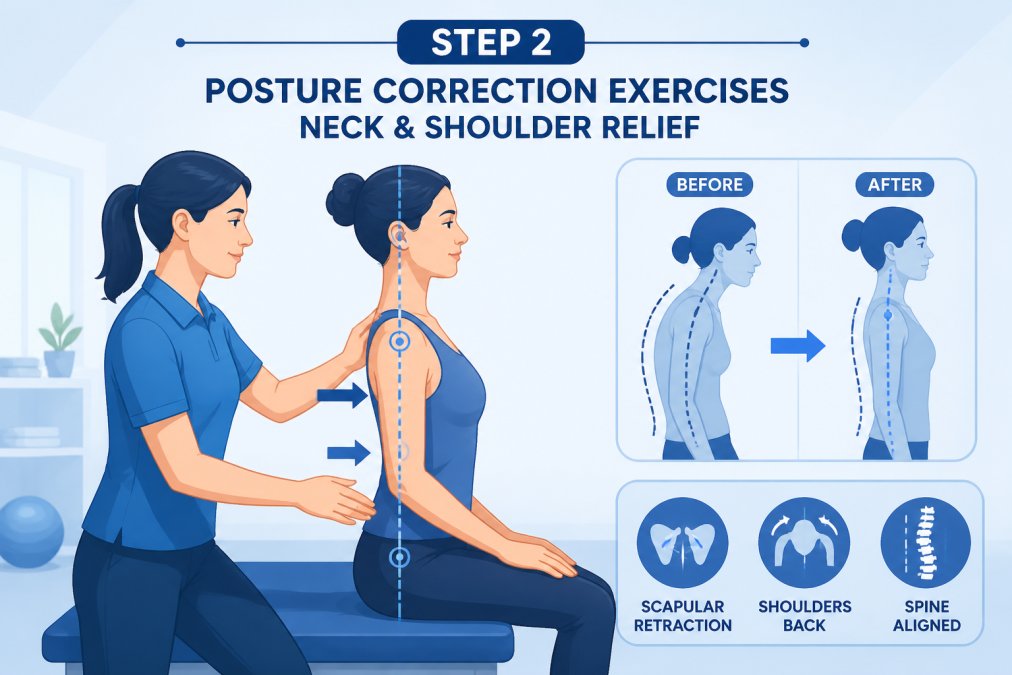
Scapular Retraction and Thoracic Mobility Exercises
The wall slide exercise corrects scapular positioning directly. Stand with your back against a wall, feet about 12 inches away. Raise your arms to shoulder height with elbows bent 90 degrees. Slowly slide your arms upward along the wall until overhead, keeping your entire arm in contact with the wall. Do 3 sets of 12 repetitions daily.
The prone Y-T-W exercise targets the posterior chain comprehensively. Lie face-down on a bench with your chest hanging off the edge. Form a "Y" by raising your arms overhead at 45 degrees, squeezing your shoulder blades together. Then form a "T" by raising your arms perpendicular to your body, and finally a "W" by bending your elbows at shoulder height. Do 10 repetitions of each position, 3 times per week.
The foam roller thoracic extension exercise restores thoracic mobility. Lie on your back with a foam roller positioned under your mid-back, perpendicular to your spine. Slowly extend backward over the roller, opening your chest toward the ceiling. Spend 2-3 minutes working your entire thoracic spine, 3-4 times per week.
Cervical Spine Stretches for Neck Pain
The upper trapezius stretch targets the muscle connecting your neck to your shoulder. Sit upright and drop your right ear toward your right shoulder. Place your right hand on top of your head and apply gentle pressure. Hold for 30 seconds and repeat 3 times daily.
The levator scapulae stretch addresses a muscle running from your upper shoulder blade to your neck. Sit upright and turn your head 45 degrees to the right. Drop your chin toward your chest and place your right hand on the back of your head, applying gentle pressure.
The scalene stretch targets muscles on the sides of your neck. Sit upright and tilt your head to the right, bringing your right ear toward your right shoulder. Rotate your face slightly downward and apply gentle pressure with your right hand.
Step 3: Core Stabilization and Strengthening for Lumbar Support
Your core muscles are the foundation of spinal stability. When weak, your lumbar spine lacks the support needed to maintain neutral alignment, forcing your lower back muscles to work overtime and creating chronic tension and pain.
The dead bug exercise teaches core activation. Lie on your back with your knees bent and feet flat. Raise your arms toward the ceiling. Slowly extend your right leg straight while lowering your left arm overhead. Return to start and repeat on the opposite side. Do 3 sets of 10 repetitions per side, 4-5 times per week.
The bird dog exercise builds functional core strength. Get on your hands and knees with hands under your shoulders and knees under your hips. Slowly extend your right arm forward and left leg backward, creating a straight line. Hold for 2 seconds, keeping your spine neutral and pelvis level. Do 3 sets of 10 repetitions per side.
The plank is perhaps the most effective core exercise for lumbar support. Start in a push-up position with your forearms on the ground, elbows under your shoulders. Your body should form a straight line from head to heels. Engage your core and hold for 30-60 seconds, rest, and repeat 3 times. Do planks 4-5 times per week. We often see patients wondering if can poor posture cause shoulder pain, emphasizing the need for a professional evaluation.
Core stabilization exercises work best when combined with stretching and posture correction work. Most people see significant improvement in lumbar pain within 6-8 weeks of consistent core work.
Step 4: Ergonomic Desk Setup for Back Pain Prevention
Your work environment directly influences your posture and pain levels. Poor ergonomic desk setup forces your body into compromised positions for 8+ hours daily. Optimizing your workstation is as important as exercise for long-term pain management.

Your monitor height is critical. The top of your screen should be at or slightly below eye level when sitting upright. Position your monitor about an arm's length away, roughly 20-26 inches from your eyes. This reduces eye strain and encourages proper cervical spine alignment.
Your chair height determines pelvic alignment. Sit with your feet flat on the floor; your hips and knees should form 90-degree angles. Your lumbar spine should maintain its natural curve. Use a lumbar support pillow if your chair doesn't provide adequate lower back support.
Your keyboard and mouse position prevent repetitive strain injuries. Your elbows should be at 90 degrees when your hands rest on your keyboard. Your wrists should be neutral, not bent in any direction. Position your keyboard directly in front of you at elbow height, with your mouse at the same height directly beside it.
Take frequent breaks from sitting. Stand up and walk around every 30-60 minutes. Sitting compresses your lumbar discs and tightens your hip flexors, both contributing to lower back pain. Consider a standing desk or sit-stand desk for part of your workday to prevent the postural adaptation that occurs with prolonged sitting.
Step 5: Daily Habits to Prevent Slouching and Maintain Neutral Spine
Fixing posture pain requires conscious attention to your posture throughout the day. Your nervous system has adapted to poor posture over months or years. Breaking this pattern requires deliberate practice until neutral spine alignment becomes your new default.
Postural awareness is the foundation. Throughout the day, periodically check your posture. Set phone reminders every hour if necessary. This accelerates the retraining process significantly.
Strengthen your postural muscles through daily activities. Practice standing against a wall for 5 minutes daily, maintaining contact at your head, shoulders, and buttocks. Walk with conscious attention to posture, imagining a string pulling the top of your head toward the ceiling.
Modify your phone and reading habits. Looking down at your phone creates extreme forward head posture. Bring your phone to eye level instead. When reading, use a book stand or prop your reading material at eye level.
Sleep position affects your posture during waking hours. Avoid sleeping on your stomach. Side sleeping is acceptable if you use a pillow that keeps your neck neutral and place a pillow between your knees. Back sleeping is ideal, use a pillow that supports your cervical curve without lifting your head excessively, and place a pillow under your knees to reduce lumbar stress.
Stay hydrated and maintain good nutrition. Dehydration reduces disc hydration, making your discs more prone to injury. Adequate protein supports muscle repair and growth.
How Long to Fix Rounded Shoulders and Postural Awareness
How long does it take to fix posture pain? The answer depends on the severity of your postural deviations, your consistency with exercises, and how long you've maintained poor posture. Most people notice improvement within 2-4 weeks of consistent work. Significant postural correction typically requires 8-12 weeks.
Rounded shoulders respond well to targeted exercise. If you perform scapular retraction and thoracic mobility exercises 4-5 times per week, you should notice visible improvement within 4 weeks.
Forward head posture takes longer to correct because muscles have adapted significantly. Most people need 8-12 weeks to significantly improve forward head posture.
Lower back pain from poor posture responds relatively quickly to core strengthening and ergonomic improvements. Many patients notice meaningful improvement within 3-4 weeks if their pain stems primarily from weak core muscles and poor sitting posture, though results vary.
Postural awareness develops gradually. Initially, you'll need constant conscious effort to maintain good posture. After 6-8 weeks, good posture becomes easier. After 12 weeks, neutral spine alignment becomes your default.
Expect noticeable improvement in posture pain within 4-6 weeks of consistent exercise and ergonomic changes. Complete postural retraining typically requires 8-12 weeks. The timeline depends on your consistency, the severity of your deviations, and how long you've maintained poor posture.
Chronic posture pain often does not resolve without some form of intervention. The good news is that posture pain responds well to targeted exercise, ergonomic adjustment, and conscious postural awareness. A qualified practitioner can assess specific postural deviations, identify which muscles need strengthening versus stretching, and design a program tailored to a situation. If you're struggling with persistent posture-related pain, a professional evaluation can accelerate recovery and ensure proper form on exercises. Get started with an assessment to understand exactly what's driving your pain and develop a concrete plan for relief.
Frequently Asked Questions
Can posture pain be fixed, or is it permanent?
Posture pain can be improved significantly through consistent effort, though the timeline varies. Most people notice changes within 4-6 weeks of regular exercises and ergonomic adjustments. Chronic cases may require longer commitment. The key is addressing both the physical habits and the underlying muscle imbalances. Professional guidance helps accelerate results and prevents setbacks.
How long does it take to fix rounded shoulders and improve posture?
Rounded shoulders typically begin to improve within 3-4 weeks of targeted posture correction exercises, though noticeable postural changes often take 8-12 weeks. Consistency matters more than intensity. Daily stretching and strengthening of the thoracic spine and scapular muscles yield faster results. Combining exercises with ergonomic adjustments and postural awareness speeds up the process.
Are posture corrector braces effective for fixing posture pain?
Posture corrector braces can provide temporary relief and remind you to maintain neutral spine alignment, but they are most effective as a short-term tool alongside exercises. Relying solely on braces without strengthening your core and improving flexibility may limit long-term results. Use them as a training aid while building postural awareness and muscle strength.
What should I do if posture pain doesn't improve after trying these steps?
If pain persists beyond 4-6 weeks despite consistent effort, consult a healthcare professional. Underlying conditions like herniated discs, arthritis, or repetitive strain injuries may require specialized assessment. A qualified practitioner can rule out serious musculoskeletal issues and recommend appropriate treatment, which may include physical therapy or other interventions tailored to your specific condition. Discover personalized care that supports your body's natural healing process; book now to schedule your visit.
Table of Contents
- How Chiropractic Care Helps in Preventing Sports Injuries
- Common Sports Injuries Treated by Chiropractors
- Chiropractic Sports Performance Benefits Beyond Injury Prevention
- Chiropractic and Physical Therapy: A Synergistic Approach
- Sport-Specific Chiropractic Protocols
- Home-Based Maintenance Exercises to Support Chiropractic Care
- How Often Should Athletes See a Chiropractor
- Chiropractic Care for Youth Athletes and Preventing Sports Injuries Early
- Frequently Asked Questions
Last Updated: August 5, 2026
How Chiropractic Care Helps in Preventing Sports Injuries
Preventing sports injuries with chiropractic care is an underused strategy in many athletes' training routines. Chiropractic care is a hands-on, drug-free approach to musculoskeletal health that focuses on the relationship between the spine, nervous system, and structural mechanics. When the body moves efficiently, it absorbs and distributes physical stress effectively. When it doesn't, repetitive strain concentrates at weak points until injury occurs.

Spinal Alignment and Biomechanics
Spinal alignment is the positioning of vertebrae that allows balanced load distribution across the musculoskeletal system. When alignment is compromised, the body compensates by shifting stress to adjacent joints, muscles, and connective tissue, creating conditions for injury. A runner with pelvic tilt, a swimmer with thoracic restriction, or a tennis player with cervical misalignment alters movement mechanics in ways that increase injury risk with every repetition. Chiropractic spinal adjustment aims to address these misalignments, helping restore biomechanical function that can support safer movement during activity.
Postural correction is equally important. Many sports injuries originate at the desk, in the car, or during sleep rather than on the field. Chiropractors assess the full postural picture and address cumulative load before it becomes acute.
Nervous System Function and Neuromuscular Efficiency
Joint restriction or imbalance in spinal segments can limit the available range of motion, reducing comfortable mobility and proper movement patterns.
Chiropractic adjustments aim to restore proper joint function and mobility. For athletes, maintaining optimal joint movement can support reliable and coordinated functional patterns during activity.
Common Sports Injuries Treated by Chiropractors
Chiropractic care addresses a broader range of sports-related conditions than many athletes expect, spanning both acute trauma and slower-developing overuse conditions.
| Injury Type | Common Examples | Chiropractic Approach |
|---|---|---|
| Acute trauma | Sprains, strains, joint subluxations | Adjustment, soft tissue therapy, stabilization |
| Overuse conditions | Tendinopathy, stress fractures, IT band syndrome | Load management, corrective exercises, alignment |
| Spinal injuries | Disc irritation, facet joint dysfunction | Decompression, mobilization, postural work |
| Extremity injuries | Shoulder impingement, knee tracking issues | Joint mobilization, muscle balance correction |
| Nerve-related | Sciatica, cervical radiculopathy | Spinal adjustment, nerve glide techniques |
Acute Injuries vs. Overuse Conditions
Acute injuries like sprains or muscle strains involve tissue damage requiring controlled recovery before manipulation is appropriate. Chiropractors trained in sports medicine understand this timeline and focus on adjacent structures and soft tissue therapy during the acute phase before progressing to spinal adjustment.
Overuse conditions like patellar tendinopathy or rotator cuff irritation develop gradually through repetitive loading on tissues that aren't recovering adequately. Chiropractic care identifies biomechanical contributors, gait abnormalities, shoulder mechanics issues, hip mobility restrictions, that concentrate load on affected tissue. Treating the symptom without correcting the cause is why many athletes cycle through the same overuse injuries repeatedly.
Chiropractic Sports Performance Benefits Beyond Injury Prevention
Injury prevention is the entry point. The chiropractic sports performance benefits that athletes report go further than simply staying healthy. Chiropractic care isn't a performance supplement; it's a structural foundation. Athletes who maintain better joint health, more efficient movement patterns, and reduced chronic muscle tension train more consistently, recover faster, and perform closer to their physical ceiling.
Range of Motion, Flexibility, and Joint Mobility
Restricted range of motion is one of the most common and underaddressed performance limiters in sport. A baseball pitcher who can't fully externally rotate the shoulder, a cyclist whose hip flexors limit stride extension, or a weightlifter whose thoracic spine won't extend under load all perform below their structural capacity.
Chiropractic care addresses joint mobility through spinal and extremity adjustments that restore normal motion to restricted segments. Soft tissue therapy, including myofascial release and trigger point work, addresses muscle tension that perpetuates joint restriction. The combination produces functional movement improvements that translate directly to athletic output.
Inflammation Reduction and Tissue Repair
Chronic, low-grade inflammation accumulates from training load, incomplete recovery, and repetitive micro-trauma. Left unmanaged, it slows tissue repair, impairs joint function, and contributes to chronic pain patterns that eventually force athletes to reduce training.
Chiropractic care may support the body's inflammation response by helping restore normal joint mechanics, which can reduce mechanical irritation in the area. Soft tissue therapy may improve circulation to areas of restricted blood flow, which can support tissue repair. Chiropractic management typically involves addressing soft tissue and joint components that may contribute to general inflammation.
Chiropractic and Physical Therapy: A Synergistic Approach
The most effective sports medicine model treats chiropractic and physical therapy as complementary disciplines. Chiropractic care restores structural alignment and joint function. Physical therapy builds the muscular strength and neuromuscular control that holds that alignment in place under load. Without the structural component, physical therapy builds on an unstable foundation. Without strengthening, chiropractic adjustments address a problem that will recur.
Integration is particularly valuable in rehabilitation following acute injury. A chiropractor can restore joint mobility and address spinal components early in recovery, while the physical therapist progressively loads healing tissue. This sequencing, mobility first, then strength, reflects current best practice in sports rehabilitation.
When coordinating chiropractic and physical therapy care, ask both providers to communicate directly about your treatment goals. A shared understanding of movement limitations and rehabilitation milestones produces better outcomes than parallel treatment tracks that don't inform each other.
Sport-Specific Chiropractic Protocols
A common mistake is applying a generic treatment model regardless of sport. The musculoskeletal demands of distance running differ fundamentally from wrestling, swimming, or golf. Sport-specific protocols account for these differences.
Runners present most commonly with lower extremity overuse conditions tracing back to pelvic alignment and lumbar spine mechanics. Protocols focus on sacroiliac joint function, hip mobility, and gait analysis.
Overhead athletes (baseball, tennis, volleyball, swimming) place asymmetric rotational demands on the thoracic spine and shoulder complex. Protocols prioritize thoracic mobility, cervical alignment, and shoulder girdle mechanics.
Contact sport athletes (football, rugby, martial arts) experience higher rates of acute spinal trauma. Protocols emphasize spinal stability assessment and return-to-play clearance.
Weightlifters and CrossFit athletes frequently present with lumbar disc irritation from high-load spinal flexion and extension. Protocols focus on lumbar decompression, hip mobility, and corrective exercises supporting safe loading mechanics.
Home-Based Maintenance Exercises to Support Chiropractic Care
Chiropractic adjustments create a structural opportunity. What the athlete does between appointments determines whether that opportunity is realized. Home-based maintenance exercises aren't optional for athletes serious about injury prevention; they're the mechanism by which chiropractic gains become durable.
Cat-Cow Stretch
On hands and knees, alternate between rounding the spine toward the ceiling and dropping the belly toward the floor. Ten repetitions maintain lumbar and thoracic mobility and reduce morning stiffness.
Hip Flexor Stretch
From a half-kneeling position, shift weight forward until a stretch is felt in the front of the rear hip. Hold for 30-45 seconds per side. This supports pelvic alignment and reduces anterior pelvic tilt in runners and cyclists.
Thoracic Extension Over Foam Roller
Position a foam roller horizontally across the mid-back and allow the thoracic spine to extend over it, moving slowly through several segments. This counteracts thoracic flexion posture in desk workers and overhead athletes.
Dead Bug Exercise
Lying on your back with arms extended toward the ceiling and knees bent at 90 degrees, slowly lower opposite arm and leg toward the floor while maintaining neutral lumbar spine. This builds deep spinal stabilizer activation that holds chiropractic alignment gains under athletic load.
Chin Tucks
Seated or standing, retract the chin horizontally to restore cervical alignment. Ten repetitions, held two seconds each. This is the single most effective home exercise for athletes carrying cervical tension from forward head posture.

Avoid performing high-intensity spinal mobility exercises immediately following a chiropractic adjustment. The joint is temporarily sensitized, and aggressive loading in the first 24 hours can reduce treatment effectiveness.
How Often Should Athletes See a Chiropractor
How often athletes should see a chiropractor depends on current injury status, sport season timing, and individual structural needs.
Acute injury phase: Two to three visits per week support tissue recovery and prevent compensatory movement patterns from becoming entrenched, typically lasting two to four weeks.
Active season maintenance: Once structural issues are addressed, many athletes benefit from bi-weekly or monthly visits during competitive season to maintain alignment and joint mobility gains.
Off-season optimization: The off-season is ideal for comprehensive structural assessment and correction, allowing athletes to enter their next competitive season with a more resilient foundation.
Regular musculoskeletal assessment is widely considered a component of long-term athletic health management.
The most effective frequency is the cadence that maintains your structural gains between sessions. An experienced chiropractor will adjust visit frequency as your condition stabilizes, not keep you on a fixed schedule indefinitely.
Chiropractic Care for Youth Athletes and Preventing Sports Injuries Early
Youth athletes represent a specific and often overlooked population in sports chiropractic. Musculoskeletal patterns established during adolescent development tend to persist into adulthood. A young athlete who develops functional scoliosis from asymmetric sport loading or accumulates hip mobility restrictions from early specialization carries those patterns forward.
Preventing sports injuries with chiropractic care in youth athletes is fundamentally about establishing correct movement patterns before compensatory habits become structural. The growing musculoskeletal system is more responsive to correction than the adult equivalent, making early assessment both more effective and more important.
Youth chiropractic care requires age-appropriate techniques. Forces used in adult spinal adjustment are modified for pediatric and adolescent patients, and assessment accounts for active growth plates. Common presentations include growth-related conditions like Osgood-Schlatter disease and Sever's disease, which are often managed with load management, corrective exercises, and biomechanical assessment to identify areas experiencing excess stress.
Youth athletic programs that integrate regular chiropractic screening alongside strength and conditioning give young athletes a structural advantage that compounds over a career. Many clinicians recommend early preventative care as a valuable part of maintaining overall musculoskeletal health, rather than waiting for injury to prompt intervention.
Many athletes reach a point where pain management becomes the goal rather than performance, cycling through treatments addressing symptoms without resolving underlying structural contributors. For athletes serious about preventing sports injuries with chiropractic care, scheduling a consultation is the practical next step. Visit chiropracticcare.clinic to learn more about available services and book an assessment.
Frequently Asked Questions
How does chiropractic care help prevent sports injuries?
Chiropractic care addresses the musculoskeletal system by correcting spinal misalignments, improving joint mobility, and reducing muscle tension. When the spine is properly aligned, biomechanics improve and the nervous system communicates more efficiently with muscles and joints. This reduces compensatory movement patterns that often lead to overuse injuries or acute strains. Regular spinal adjustments combined with soft tissue therapy may help some athletes maintain functional movement and support lower re-injury risk over time, though individual results vary.
What are the most common sports injuries treated by chiropractors?
Chiropractors commonly treat runner's knee, rotator cuff strains, IT band syndrome, lower back sprains, ankle sprains, tennis elbow, and cervical strains from contact sports. Both acute injury recovery and chronic pain management fall within chiropractic scope. Treatment typically combines spinal adjustment, soft tissue therapy, and corrective exercises tailored to the athlete's sport and the specific structures involved.
How often should an athlete see a chiropractor for maintenance?
Frequency depends on training load, sport type, injury history, and individual recovery rates. During heavy training blocks or competitive seasons, many athletes benefit from weekly or biweekly visits. During off-season or lighter training, monthly maintenance visits are common. A chiropractor will assess your physical conditioning and postural correction needs to recommend a schedule that supports preventative care without over-treating. There is no single universal answer, so a personalized evaluation is the appropriate starting point.
Is chiropractic care safe for professional and youth athletes?
Chiropractic care is generally considered appropriate for athletes across age groups, including youth athletes, when performed by a licensed Doctor of Chiropractic. Techniques are adapted based on age, development stage, and the specific condition. As with any healthcare intervention, there are contraindications, and a thorough intake evaluation is essential. Athletes with fractures, certain spinal conditions, or other medical complexities should discuss chiropractic care with their broader sports medicine team before beginning treatment.
Learn more about sports injury care at our Montgomery, AL clinic, or book an evaluation.
Table of Contents
- Chiropractic vs Physical Therapy: Side-by-Side Comparison
- What Each Discipline Actually Does
- Chiropractic vs Physical Therapy for Lower Back Pain
- When to See a Chiropractor vs Physical Therapist
- Chiropractic Adjustment Frequency: What Patients Should Expect
- Insurance Coverage and Out-of-Pocket Costs
- The Hybrid Approach: Combining Chiropractic and Physical Therapy
- Frequently Asked Questions
Last Updated: August 4, 2026
When addressing musculoskeletal pain and mobility issues, spanning joints, spine, muscles, and movement, it's crucial to understand that both chiropractic care and physical therapy focus on enhancing musculoskeletal health. Chiropractors like Dr. Elaine McNally at Chiropractic Care Clinic emphasize a diagnostic-first approach aimed at identifying the root cause of discomfort, while physical therapists concentrate on tailored exercises to improve function and aid recovery.
If you’re particularly focused on understanding the nuances between chiropractic care and physical therapy specifically for lower back pain, our detailed guide comparative insights for lower back pain offers an in-depth exploration tailored to your needs.
Here is what most guides get wrong: the debate is not about which profession is "better." It is about which intervention aligns with your specific pathology, your functional goals, and your timeline. Below, we cover the key differences in treatment approach, the evidence for lower back pain, cost and insurance realities, and the growing case for combining both.
Chiropractic vs Physical Therapy: Side-by-Side Comparison
The fastest way to orient yourself is a direct comparison before diving into the detail.
| Factor | Chiropractic Care | Physical Therapy |
|---|---|---|
| Primary focus | Spinal adjustment, neuromusculoskeletal system | Therapeutic exercise, functional recovery |
| Core technique | Spinal manipulation, joint mobilization | Strength training, manual therapy, therapeutic modalities |
| Best for | Acute joint pain, spinal misalignment, short-term relief | Chronic pain, post-surgical rehab, long-term mobility |
| Treatment duration | Often shorter initial course | Typically longer, exercise-progressive |
| Diagnostic assessment | Spinal and postural evaluation | Functional movement and strength screening |
| Insurance coverage | Varies widely by plan; often limited visits | Generally covered under most major plans |
| Preventative care | Maintenance visits common | Home exercise program focus |
| Evidence strength | Strong for acute low back pain | Strong for chronic pain and post-injury rehab |
A chiropractor is a licensed healthcare professional who specializes in diagnosing and treating disorders of the neuromusculoskeletal system, primarily through spinal manipulation and joint mobilization. A physical therapist is a licensed clinician who uses therapeutic exercise, manual therapy, and therapeutic modalities to restore movement, reduce pain, and prevent re-injury.

The real difference between chiropractic vs physical therapy comes down to the mechanism of change. Chiropractic targets joint mechanics and nervous system function directly through manual intervention. Physical therapy targets neuromuscular control, strength, and biomechanics through progressive loading and movement re-education. Both are legitimate, evidence-based pathways. Neither is universally superior.
What Each Discipline Actually Does
Chiropractic Care: Spinal Adjustment and Neuromusculoskeletal Focus
Chiropractic care is built around the premise that restricted joint mobility, particularly in the spine, contributes to pain and impaired nervous system function. The primary tool is spinal manipulation, sometimes called a spinal adjustment, which applies a controlled, high-velocity force to a specific vertebral segment to restore range of motion and reduce pain signals.
Beyond the classic adjustment, modern chiropractic practice includes soft tissue massage, postural correction, lifestyle counseling, and in many clinics, rehabilitative exercise. The scope has expanded considerably over the past two decades, and many chiropractors now practice within an evidence-based framework that looks more like integrated musculoskeletal medicine than the narrow spinal-only model of earlier generations.
What chiropractic does particularly well is deliver short-term relief for acute pain. Patients with sudden-onset lower back pain, cervicogenic headaches, or restricted neck mobility often report meaningful improvement within a small number of visits. The nervous system function component is also relevant for patients whose pain presentation involves radiating symptoms or sensitivity patterns that suggest spinal nerve involvement.
If your pain came on suddenly after a specific movement or incident and is localized to the spine or a major joint, chiropractic care is often the faster path to initial pain reduction. Physical therapy becomes the stronger choice once acute pain is managed and the goal shifts to preventing recurrence.
Physical Therapy: Therapeutic Exercise and Functional Recovery
Physical therapy is grounded in movement science. A licensed physical therapist conducts a diagnostic assessment that evaluates strength, range of motion, movement patterns, and functional capacity, then builds a treatment plan designed to correct the deficits driving the patient's symptoms.
The core interventions include therapeutic exercise, manual therapy, joint mobilization, neuromuscular re-education, and therapeutic modalities such as ultrasound or electrical stimulation. The distinguishing feature of physical therapy is progressive loading: the program evolves as the patient improves, building toward functional recovery rather than symptom suppression alone.
Physical therapy is the standard of care for post-surgical rehabilitation, sports injury recovery, and chronic pain conditions where structural deconditioning is a primary driver. For patients with chronic back pain who have already addressed the acute phase, strength training and biomechanical correction through physical therapy address the root cause more directly than passive manual treatment alone.
According to the American Physical Therapy Association's clinical resources, physical therapists are trained to address conditions across the entire musculoskeletal system, from acute injury through long-term rehabilitation, making the discipline particularly suited to patients with complex or multi-joint presentations.
Chiropractic vs Physical Therapy for Lower Back Pain
Lower back pain is the condition where the chiropractic vs physical therapy effectiveness debate is most thoroughly studied, and the evidence supports a nuanced answer rather than a single winner.
For acute low back pain, spinal manipulation delivered by a chiropractor produces clinical outcomes comparable to other first-line treatments, including short-term pain reduction and improved mobility. The effect is most pronounced in the first four to six weeks of an episode, which aligns with the natural history of acute back pain. Patients who receive spinal manipulation early in an episode often return to function faster than those who rely on rest or medication alone.
For chronic lower back pain, the picture shifts. Chronic pain involves central sensitization, muscle deconditioning, and movement avoidance patterns that spinal manipulation alone does not fully address. Therapeutic exercise delivered through a structured physical therapy program produces more durable outcomes over a six-to-twelve-month horizon because it rebuilds the neuromuscular infrastructure that protects the spine.
The practical implication: if you have had lower back pain for years, tried multiple interventions, and are still symptomatic, a physical therapy evaluation focused on functional movement deficits is likely to identify something earlier assessments missed. If your pain is acute and severe, a chiropractor can often provide faster initial relief while you determine the longer-term plan.
As documented in clinical practice guidelines from the American College of Physicians, non-pharmacologic treatments including spinal manipulation and supervised exercise are recommended as first-line interventions for both acute and chronic lower back pain, which validates both approaches within current evidence-based practice.
Avoid committing to an extended treatment plan with either provider before they have conducted a thorough diagnostic assessment. A provider who recommends a large package of visits without first evaluating your specific presentation is a red flag, regardless of the discipline.
When to See a Chiropractor vs Physical Therapist
Conditions That Favor Chiropractic Care
Chiropractic care tends to produce the strongest results for conditions where joint restriction and nervous system irritation are the primary drivers:
- Acute lower back pain with sudden onset
- Cervicogenic headaches originating from restricted neck joints
- Neck pain following whiplash or postural strain
- Sacroiliac joint dysfunction
- Mid-back stiffness and thoracic mobility restrictions
- Patients seeking short-term relief as a bridge to rehabilitation
Patients recovering from auto accidents often find chiropractic care particularly relevant because whiplash and related soft tissue injuries respond well to early joint mobilization and manual therapy. Seniors managing age-related joint stiffness also report benefit, though treatment techniques are typically modified for older patients with reduced bone density or comorbidities.
Conditions That Favor Physical Therapy
Physical therapy is the more appropriate first choice when the clinical picture involves functional deficits, post-surgical recovery, or chronic deconditioning:
- Post-surgical rehabilitation following spinal, knee, hip, or shoulder procedures
- Chronic pain conditions lasting more than three months
- Sports injuries requiring biomechanical correction and return-to-sport programming
- Rotator cuff tears, ACL injuries, and other structural soft tissue conditions
- Neurological conditions affecting movement and balance
- Work-related musculoskeletal injuries requiring documented functional progress
Office workers with chronic neck and shoulder pain driven by postural dysfunction often respond better to physical therapy because the treatment addresses the movement habits and muscle imbalances that cause the problem, rather than temporarily relieving the symptoms.
Chiropractic Adjustment Frequency: What Patients Should Expect
Chiropractic adjustment frequency is one of the most common sources of confusion and, frankly, one of the most common sources of patient frustration. The honest answer is that frequency should be determined by your clinical response, not by a predetermined package.
A typical initial course for acute lower back pain involves several visits over two to four weeks, with frequency decreasing as symptoms improve. Many patients see meaningful improvement within six to eight visits. If you are not progressing after ten visits, the treatment plan should be re-evaluated, and a referral or co-management with a physical therapist is worth discussing.
Maintenance or preventative care visits are a legitimate option for patients who have achieved their initial goals and want to maintain spinal mobility, particularly for those with physically demanding jobs or a history of recurrent episodes. However, maintenance care should be your choice based on perceived benefit, not an automatic extension of an initial treatment plan.
A common mistake is confusing a provider's scheduling preferences with clinical necessity. Patients who ask direct questions about expected visit counts and measurable progress milestones at the first appointment tend to have better outcomes because they stay engaged in their own care.
Ask any provider, chiropractic or physical therapy, to define your treatment goals and the number of visits expected to reach them before you begin. Providers who cannot answer that question clearly are not practicing patient-centered care.
Insurance Coverage and Out-of-Pocket Costs
Insurance coverage for chiropractic vs physical therapy differs in ways that materially affect out-of-pocket costs, and this is an angle that most comparison guides underserve.
Most major health insurance plans, including Medicare and many Medicaid programs, cover physical therapy when it is medically necessary and ordered by a physician. Coverage typically includes a set number of visits per year, though limits vary by plan. Physical therapy is generally categorized as a standard rehabilitation benefit, which means it faces fewer coverage restrictions than chiropractic.
Chiropractic coverage is more variable. Medicare Part B covers spinal manipulation for subluxation, but does not cover other chiropractic services such as X-rays or maintenance care. Many commercial insurance plans cover chiropractic but impose stricter visit limits, require prior authorization, or apply higher co-pays than they do for physical therapy. According to Medicare coverage information from the Centers for Medicare and Medicaid Services, beneficiaries should verify what their specific plan covers before beginning treatment, as chiropractic benefits differ significantly across plan types.
For patients whose insurance covers limited chiropractic visits, the practical approach is to use covered visits strategically during the acute phase and transition to a home exercise program or physical therapy for the maintenance phase. Patients paying out of pocket should ask providers for a clear fee schedule at the first contact. Pricing for both disciplines varies by region, provider type, and visit complexity, so direct inquiry is the only reliable way to understand your actual cost exposure.
The Hybrid Approach: Combining Chiropractic and Physical Therapy
The most clinically sophisticated answer to the chiropractic vs physical therapy effectiveness question is not a binary choice. Many patients with complex or chronic musculoskeletal conditions benefit from a coordinated plan that uses both disciplines sequentially or concurrently.

The hybrid model typically works as follows: chiropractic care addresses acute joint restriction and pain in the early phase, reducing the barrier to movement. Once the patient has adequate mobility and reduced pain, physical therapy introduces progressive therapeutic exercise to build the strength and neuromuscular control needed for long-term stability. The two providers share clinical notes and coordinate treatment goals, which produces better outcomes than either discipline working in isolation.
This integrative approach is particularly well-suited to patients recovering from auto accident injuries, patients with chronic lower back pain who have not responded to either modality alone, and athletes who need both structural normalization and performance rehabilitation. The injury prevention benefits of combining spinal adjustment with strength training are also well-supported by clinical reasoning: a mobile spine supported by strong stabilizing muscles is significantly more resilient than one that is only adjusted or only exercised.
The practical barrier is coordination. Not all providers communicate across disciplines, and insurance may treat the two services differently even within the same episode of care. Patients pursuing a hybrid approach should explicitly ask both providers whether they are willing to co-manage the case and share documentation.
Frequently Asked Questions
Is chiropractic or physical therapy more effective for back pain?
Both chiropractic care and physical therapy show clinical value for back pain, and the better option depends on the nature of the problem. Chiropractic spinal manipulation tends to address acute pain and joint mobility quickly, while physical therapy focuses on strength training, postural correction, and long-term functional recovery. For chronic back pain, evidence-based guidelines often recommend a combination of manual therapy and therapeutic exercise, which means the two approaches frequently complement each other rather than compete.
What can a physical therapist do that a chiropractor cannot?
Physical therapists are trained to design progressive rehabilitation programs that rebuild strength, restore range of motion, and address biomechanics over a structured recovery timeline. They also work extensively with post-surgical patients and those managing neurological conditions. While chiropractors specialize in spinal adjustment and neuromusculoskeletal function, physical therapists place greater emphasis on therapeutic exercise, injury prevention education, and helping patients maintain functional independence after treatment ends.
How does insurance typically cover chiropractic vs physical therapy visits?
Both chiropractic care and physical therapy are covered under many private insurance plans and Medicare, though coverage limits, copays, and visit caps vary considerably by plan. Medicare Part B covers chiropractic manipulation for subluxation but has historically excluded other chiropractic services. Physical therapy benefits under Medicare are subject to annual financial thresholds. Patients should contact their insurer directly to confirm covered services, required referrals, and any prior authorization rules before beginning treatment.
How often should you see a chiropractor, and when does treatment typically end?
Chiropractic adjustment frequency depends on the diagnosis, severity, and individual response to care. An acute injury may require several visits per week initially, tapering as symptoms improve. Chronic conditions often involve a longer initial phase followed by periodic maintenance visits. A qualified chiropractor should reassess progress at regular intervals and adjust the treatment plan accordingly. Patients should be cautious of any provider who cannot articulate clear recovery milestones or who recommends indefinite high-frequency visits without documented clinical justification.
Can chiropractic care and physical therapy be used together?
Yes, and clinical guidelines increasingly support an integrated approach for musculoskeletal conditions. Spinal manipulation from a chiropractor can reduce acute pain and improve joint mobility, making it easier for patients to engage in the therapeutic exercise and strength training that physical therapy requires. Some practices coordinate care directly between providers. Patients recovering from auto accidents, work injuries, or chronic pain conditions often report better outcomes when both short-term pain management and long-term rehabilitation goals are addressed within the same treatment plan.
Chronic musculoskeletal pain rarely resolves through a single intervention, and navigating the options without a clear framework wastes time and money. Chiropracticcare.clinic provides chiropractic-focused care for patients seeking an evidence-informed starting point for spinal and neuromusculoskeletal conditions. Visit chiropracticcare.clinic to learn about available services and to take the first step toward a structured treatment plan built around your specific presentation.
Learn more about chiropractic adjustments at our Montgomery, AL clinic, or book an evaluation.
Table of Contents
- Step 1: Understand What Is Driving Your Chronic Back Pain
- Step 2: Start With Conservative Treatment Options
- Step 3: Exercises for Chronic Back Pain That Actually Help
- Step 4: Medication for Chronic Back Pain, What the Options Are
- Step 5: Acupuncture, Massage, and Other Noninvasive Therapies
- Step 6: Lifestyle Support Alongside Your Care Plan
- When to See a Doctor for Back Pain: Red Flags to Know
- Common Mistakes That Make Chronic Back Pain Worse
- Frequently Asked Questions
Last Updated: August 2, 2026
Chronic back pain affects a significant portion of American adults. This guide from chiropracticcare.clinic covers evidence-based approaches, from home-based self-checks to professional noninvasive therapies, so you can build a realistic plan rather than cycling through treatments. Most people approach back pain reactively, reaching for a painkiller when stiffness flares. Chronic back pain requires a structured, layered strategy, not a single fix.
Step 1: Understand What Is Driving Your Chronic Back Pain
Chronic back pain is defined as persistent musculoskeletal discomfort lasting 12 weeks or longer, even after an initial injury has been treated. Understanding which category your pain falls into, mechanical, inflammatory, neuropathic, or referred, helps you have a more informed conversation with a clinician and avoid wasting months on wrong interventions. Proper care deserves precision, so let us work together to start with a diagnosis, not a guess.
Home-Based Diagnostic Self-Checks
A home-based diagnostic self-check will not replace clinical evaluation, but it provides useful information to bring to an appointment:
- Pain location and pattern: Radiating pain below the knee suggests possible nerve involvement.
- Morning stiffness: Stiffness improving within 30 minutes typically points to mechanical causes. Stiffness lasting more than an hour may indicate inflammatory conditions.
- Posture test: Stand with your back against a wall. Your head, shoulder blades, and buttocks should touch the wall with a small natural curve at the lower back. Pain or inability to hold this position suggests postural dysfunction.
- Single-leg balance: Stand on one leg for 10 seconds. Significant wobbling or pain suggests hip and core stability deficits that directly load the lumbar spine.
If you experience back pain accompanied by loss of bladder or bowel control, numbness in the groin or inner thighs, or severe pain following a fall or trauma, seek emergency medical care immediately. These are red flag symptoms requiring urgent evaluation.
According to the National Institute of Neurological Disorders and Stroke's overview of back pain, most cases of chronic back pain have a mechanical origin, meaning the structure and movement of the spine is the primary driver.
Step 2: Start With Conservative Treatment Options
The standard clinical approach to chronic back pain starts with conservative treatment. The mistake most people make is abandoning conservative care too early, after two or three weeks, when meaningful improvement from physical therapy and ergonomic changes typically takes six to twelve weeks.
Heat and Cold Therapy
Cold therapy reduces acute inflammation and numbs nerve pain. Apply an ice pack wrapped in cloth for 15-20 minutes during the first 48-72 hours of a flare-up. Do not apply ice directly to skin.
Heat therapy relaxes tight muscles and improves blood flow. A heating pad on low-to-medium setting for 15-20 minutes is effective for chronic stiffness, particularly in the morning. Many people find alternating heat and cold in a single session, ending with heat, provides better relief than either alone.
Ergonomics and Workspace Setup
Poor ergonomics is one of the most underestimated drivers of chronic back pain in office workers. Sitting for extended periods compresses lumbar discs and shortens hip flexors, both increasing spinal load and pain.
- Chair height should allow both feet flat on the floor, with knees at approximately 90 degrees
- Monitor height should place the top of the screen at or slightly below eye level
- Lumbar support should fill the natural curve of your lower back
- Keyboard and mouse should be close enough that elbows stay at roughly 90 degrees without reaching forward
- Take a standing or walking break every 45-60 minutes; static posture is the enemy of spinal health
A standing desk alone will not fix back pain if you stand with poor posture. The goal is posture variation throughout the day. Alternate between sitting and standing and use a cushioned anti-fatigue mat when standing.
Step 3: Exercises for Chronic Back Pain That Actually Help
Exercise is the single most evidence-supported noninvasive treatment for chronic back pain. The most effective exercises target three areas: core stability, hip mobility, and thoracic spine mobility.

Recommended starting exercises:
- Cat-cow stretch: On hands and knees, alternate between arching and rounding the spine. Perform 10 repetitions slowly to improve lumbar range of motion and reduce morning stiffness.
- Bird-dog: From the same position, extend one arm and the opposite leg simultaneously, hold for 5 seconds, and alternate. Builds spine stability without spinal loading.
- Glute bridge: Lying on your back with knees bent, raise the hips until the body forms a straight line from knees to shoulders. Activates the posterior chain and reduces anterior pelvic tilt.
- Dead bug: Lying on your back, extend opposite arm and leg while keeping the lower back pressed to the floor. Trains deep core stabilizers.
- Hip flexor stretch: A kneeling lunge position held for 30-45 seconds per side. Tight hip flexors directly contribute to lumbar pain in people who sit for long periods.
Posture Correction Techniques
Posture correction is a long-term process. Chronic poor posture reshapes muscle length and joint position over months and years, so correcting it takes consistent effort over a similar timeframe.
The most effective approach combines awareness training, targeted stretching of shortened muscles, and strengthening of weakened muscles. For desk workers, this means stretching the chest, hip flexors, and hamstrings while strengthening the deep neck flexors, mid-back muscles, and glutes. A wall angel exercise, standing with your back flat against a wall and slowly raising your arms overhead while maintaining contact, is one of the most practical daily posture drills.
| Exercise | Target Area | Frequency | Duration |
|---|---|---|---|
| Cat-cow stretch | Lumbar mobility | Daily | 2 minutes |
| Bird-dog | Core stability | Daily | 3 sets x 10 reps |
| Glute bridge | Posterior chain | 5x per week | 3 sets x 15 reps |
| Hip flexor stretch | Hip mobility | Daily | 30-45 sec per side |
| Wall angel | Thoracic posture | Daily | 2 sets x 10 reps |
| Dead bug | Deep core | 5x per week | 3 sets x 8 reps |
Step 4: Medication for Chronic Back Pain, What the Options Are
Medication for chronic back pain is most effective as a short-term bridge while other treatments take effect, not as a standalone long-term solution. Over-reliance on medication without addressing underlying mechanical or lifestyle causes keeps people in pain cycles for years.
NSAIDs such as ibuprofen and naproxen sodium reduce inflammation and are often the first recommendation for musculoskeletal pain. They are appropriate for short-term use but carry gastrointestinal and cardiovascular risks with prolonged use.
Acetaminophen addresses pain threshold without targeting inflammation and is gentler on the stomach than NSAIDs.
Topical pain relievers such as diclofenac gel or lidocaine patches deliver localized relief with lower systemic absorption.
Muscle relaxants are sometimes prescribed for acute spasms but are not recommended for long-term chronic pain management due to sedation effects and dependency potential.
The American College of Physicians clinical guidelines on noninvasive treatments for low back pain recommend noninvasive, nondrug therapies as the first line of treatment for chronic low back pain, with medication reserved for cases where other approaches have been insufficient.
Medication manages pain symptoms. It does not correct the underlying structural or behavioral drivers of chronic back pain. Use it to make physical therapy and exercise more tolerable, not as a substitute for them.
Step 5: Acupuncture, Massage, and Other Noninvasive Therapies
Acupuncture has clinical support for chronic back pain through stimulation of nerve pathways and modulation of pain signals. For people who have not responded fully to physical therapy alone, acupuncture is a reasonable addition to a chronic pain management plan.
Massage therapy addresses soft tissue tension and restricted mobility. Deep tissue massage and myofascial release techniques are particularly useful for chronic muscle guarding, where muscles contract protectively around a painful area and eventually become a source of pain themselves. Regular therapeutic massage, once or twice per month, helps break this cycle.
Electrical nerve stimulation through transcutaneous electrical nerve stimulation devices delivers low-voltage electrical current to disrupt pain signals and can supplement professional treatments.
Biofeedback teaches patients to consciously influence physiological responses, including muscle tension, through real-time monitoring. It is particularly effective for people whose chronic pain has a significant stress-related component.
Chiropractic care addresses spinal alignment and joint mobility directly. For people whose chronic back pain stems from restricted spinal joints or biomechanical dysfunction, spinal manipulation and mobilization can restore range of motion and reduce pain. Visiting a qualified practitioner at chiropracticcare.clinic for an assessment is a practical starting point if you suspect spinal mechanics are contributing to your symptoms.
Step 6: Lifestyle Support Alongside Your Care Plan
The most underserved area in chronic back pain treatment is lifestyle. Exercise and therapy address the spine directly. Lifestyle changes address the systemic conditions that make the spine more vulnerable to pain. Effective chiropractic care can offer gentle support and reliable back pain relief right here in Montgomery. Maintaining proper spinal mechanics is vital, so please review our guide covering helpful tips for sleeping with chronic back pain. Discover tailored care here for safe back pain relief during pregnancy while keeping your family healthy.
Sleep Hygiene and Spinal Health
Poor sleep and chronic back pain have a bidirectional relationship: pain disrupts sleep, and poor sleep lowers pain tolerance and slows tissue recovery.
Practical sleep hygiene adjustments for spinal health include:
- Sleep on a medium-firm mattress; mattresses that are too soft allow the spine to sag into misalignment
- Side sleepers should place a pillow between the knees to maintain hip and lumbar alignment
- Back sleepers benefit from a pillow under the knees to reduce lumbar extension
- Avoid sleeping on the stomach, which forces the neck into rotation and increases lumbar compression
- Consistent sleep and wake times regulate cortisol rhythms that influence inflammation levels
Dietary and Anti-Inflammatory Nutrition
Chronic inflammation contributes to persistent musculoskeletal pain. Diet directly influences systemic inflammation levels.
Foods associated with reduced inflammation include fatty fish rich in omega-3 fatty acids, leafy greens, berries, nuts, and olive oil. Foods associated with increased inflammation include processed sugars, refined carbohydrates, and trans fats. Maintaining a healthy body weight also reduces mechanical load on the lumbar spine.
Psychological Impact and Pain Management
Chronic pain is not purely physical. Anxiety, depression, and pain catastrophizing amplify the pain signal through well-documented neurological pathways. This is not a suggestion that the pain is imaginary, but a recognition that the nervous system's response to pain is shaped by emotional state.
Cognitive behavioral therapy adapted for chronic pain helps patients identify and change thought patterns that intensify pain perception. Mindfulness-based stress reduction has also shown benefit for chronic musculoskeletal conditions.
According to the National Institutes of Health's National Center for Complementary and Integrative Health, mind-body approaches including mindfulness and relaxation techniques have demonstrated meaningful benefit for people managing chronic low back pain.
When to See a Doctor for Back Pain: Red Flags to Know
Most chronic back pain does not require emergency care, but certain symptoms demand prompt medical evaluation.
Seek medical attention promptly if you experience:
- Back pain following a significant fall, accident, or trauma
- Pain that is severe, constant, and unrelieved by any position
- Pain accompanied by unexplained weight loss or fever
- Numbness, tingling, or weakness in one or both legs
- Loss of bladder or bowel control
- Back pain in a person with a history of cancer, osteoporosis, or immune suppression
- Pain in someone under 20 or over 55 with no clear mechanical cause
For most people with chronic back pain, the appropriate first step is a primary care physician or musculoskeletal specialist who can perform a full diagnostic evaluation. Imaging such as MRI or X-ray is typically reserved for cases with red flag symptoms or those that have not responded to conservative treatment after six to eight weeks.
Common Mistakes That Make Chronic Back Pain Worse
The path to fixing chronic back pain is often derailed by predictable, avoidable errors.
Resting too much. Prolonged inactivity weakens supporting muscles and increases pain sensitivity.
Ignoring sleep. Improving sleep quality is often the fastest way to reduce pain threshold.
Expecting a single treatment to resolve everything. Chronic back pain typically requires a combination of physical therapy, ergonomic changes, exercise, and sometimes psychological support.
Skipping the warm-up. Jumping into exercise without preparing tissue increases injury risk and can trigger flare-ups.
Lifting with poor mechanics. Bending at the waist loads lumbar discs in a high-risk position. Hinge at the hips, keep the load close to the body, and engage the core before lifting.
Assuming surgery is inevitable. Surgery is appropriate for a specific subset of chronic back pain cases, primarily those involving structural nerve compression that has not responded to conservative treatment. As documented in the American Academy of Orthopaedic Surgeons' patient resources on back pain, most patients with back pain improve without surgical intervention when conservative care is applied consistently.
Continuing to push through high-intensity exercise during a pain flare-up can cause additional tissue damage and prolong recovery. Modify intensity during flare-ups rather than stopping entirely, and return to full intensity gradually once symptoms settle.
Chronic back pain involves overlapping factors: structure, movement, sleep, stress, and inflammation. The most effective approach combines conservative treatment strategies, targeted exercises, and lifestyle adjustments. For those whose pain persists despite consistent effort, a professional evaluation can identify specific mechanical or neurological factors that home treatment cannot address. Explore the chiropractic assessment services available at chiropracticcare.clinic to take the next step toward a structured, clinician-guided plan for long-term spinal health.
Frequently Asked Questions
What is the fastest way to relieve chronic back pain at home?
The fastest home relief for chronic back pain typically combines heat or cold therapy applied to the affected area with gentle movement such as walking or light stretching. Over-the-counter NSAIDs or acetaminophen can reduce inflammation and pain threshold in the short term. Resting in a supported position, such as lying with a pillow under the knees, also reduces spinal load. These measures address symptoms quickly but do not replace a professional diagnostic evaluation for the underlying cause.
What causes chronic back pain to flare up?
Common flare-up triggers include prolonged sitting with poor posture, improper lifting mechanics, sudden changes in physical activity, and psychological stress, which raises muscle tension throughout the musculoskeletal system. Poor sleep hygiene and inflammatory dietary patterns can also lower pain threshold and worsen stiffness. Identifying your personal triggers through a symptom diary is a practical first step toward reducing the frequency and severity of flare-ups.
Can chronic back pain be fixed completely, or is it a lifelong condition?
Many people with chronic back pain achieve significant, sustained improvement through a combination of physical therapy, therapeutic exercise, ergonomic adjustments, and lifestyle changes. Complete resolution depends on the underlying cause, how long the condition has been present, and how consistently treatment is followed. Some musculoskeletal conditions respond very well to conservative care. A qualified clinician can give you a realistic prognosis based on your specific diagnosis and health history.
What exercises for chronic back pain are safe to start at home?
Low-impact exercises that support spine stability and improve range of motion are generally considered safe starting points: pelvic tilts, knee-to-chest stretches, cat-cow movements, and gentle walking. These build core strength without placing excessive load on the spine. Avoid high-impact or ballistic movements until cleared by a healthcare provider. If any exercise increases nerve pain or causes sharp discomfort, stop and consult a professional before continuing.
When should I be concerned about chronic back pain and see a doctor?
Seek prompt medical attention if your back pain is accompanied by bladder or bowel changes, numbness or tingling down one or both legs, unexplained weight loss, fever, or pain that is severe at night and unrelieved by rest. These may indicate conditions beyond routine musculoskeletal back pain that require diagnostic evaluation. Any back pain following a traumatic injury, such as a fall or auto accident, also warrants immediate professional assessment rather than home treatment.
What kind of doctor or specialist should I see for chronic back pain?
Primary care physicians are a common first contact and can rule out serious underlying causes. From there, referrals to physical therapists, orthopedic specialists, neurologists, or chiropractors are typical depending on the diagnosis. Chiropractors specialize in musculoskeletal and spinal conditions and are licensed practitioners in all 50 states. Pain management specialists handle complex chronic pain cases. The right provider depends on your specific symptoms, functional impairment, and how you have responded to prior treatment. Experience expert care focused on spinal alignment and natural wellness; book now to schedule your visit.
Table of Contents
- Why Chiropractic Care Matters After a Car Accident
- Common Injuries from Auto Accidents and How Chiropractic Care Helps
- How Soon Should You See a Chiropractor After a Car Accident
- What to Expect During Your Initial Evaluation
- Documenting Car Accident Injuries for Insurance
- Treatment Protocols and Recovery Timeline
- Chiropractic Care vs. Other Treatment Options
- Conclusion
- External References
- Frequently Asked Questions
Last Updated: September 2, 2026
Why Chiropractic Care Matters After a Car Accident
Car accidents cause injuries that often develop hours or days after impact. Whiplash, soft tissue damage, and spinal misalignment frequently go undetected by standard imaging yet produce neck pain, headaches, and restricted movement. Chiropractic care aims to address these delayed symptoms before they become long-term problems.
A chiropractor trained in post-collision assessment identifies subluxations and soft tissue damage that traditional medicine often misses. Early intervention prevents compensation patterns, where your body adapts to pain by favoring one side, creating new problems in your shoulders, hips, or lower back. Seeking effective relief for issues stemming from an accident? Our comprehensive auto injury chiropractic care can help support your recovery journey back to optimal function.
At chiropracticcare.clinic, we understand that accident recovery depends on impact type, your age, pre-existing conditions, and how quickly you seek care. Early evaluation catches problems when they're easiest to treat. Proper medical documentation of your injuries becomes essential evidence for insurance claims and potential legal action. Without it, insurers may deny claims or undervalue your case.
Common Injuries from Auto Accidents and How Chiropractic Care Helps
Auto accidents cause predictable injury patterns based on impact speed, direction, and your physical condition.
Whiplash Treatment After Car Accident
Whiplash occurs when your head snaps forward and backward rapidly during impact, straining the cervical spine and surrounding soft tissues. Low-speed collisions cause whiplash just as readily as high-speed crashes. Symptoms include neck pain, stiffness, headaches, dizziness, and reduced range of motion.
A chiropractor performs cervical spine evaluation to identify vertebral misalignment and soft tissue inflammation. Treatment involves spinal manipulation to restore proper alignment, reducing nerve irritation and allowing muscles to relax. Therapeutic exercises rebuild strength in stabilizing muscles strained during collision. Many patients report improvement within about 4-6 weeks when treatment starts early, though timelines vary.
The critical window is the first two weeks after injury. Many whiplash patients feel relatively fine initially, then experience worsening pain days later as inflammation increases. Delaying evaluation may reduce the chance of catching problems while they are easiest to treat.
Soft Tissue Damage and Spinal Alignment Issues
Soft tissue damage, affecting muscles, ligaments, and tendons, is the most common car accident injury. Unlike bone fractures visible on X-rays, soft tissue injuries are invisible to standard imaging, leaving many accident victims told "nothing is wrong" despite significant pain.
Impact causes micro-tears in muscle fibers and stretches ligaments beyond normal range. Inflammation follows, restricting movement and causing pain. If untreated, scar tissue forms, locking in reduced mobility and chronic pain. Simultaneously, impact can shift vertebrae out of alignment, irritating nerves and preventing proper healing.
Chiropractic treatment addresses both issues. Spinal adjustments restore proper vertebral alignment, reducing nerve compression. Soft tissue therapy, including massage and myofascial release, breaks down scar tissue and promotes healing. This combination is intended to restore joint mechanics and range of motion, which for many patients is more effective than rest alone.
How Soon Should You See a Chiropractor After a Car Accident
Seek your first chiropractic evaluation within 72 hours of the accident, though care within the first two weeks remains highly effective.
Your body's inflammatory response peaks in the first few days. A chiropractor can assess damage, begin reducing inflammation, and prevent compensation patterns before they develop. Waiting weeks or months means your body has already adapted to injury, creating secondary problems that take longer to resolve.
Many people delay care because they feel "okay" immediately after the accident. Adrenaline and shock mask pain and limited mobility. By the time symptoms appear, 24-48 hours later, precious time has passed. Starting treatment early means fewer total visits and faster recovery.
Even if you've delayed seeking care, it's not too late. Chiropractors regularly treat patients months or years after accidents. However, chronic pain takes longer to resolve than acute injury.
If you're managing an insurance claim, document the accident scene and your symptoms immediately. Take photos of vehicle damage and note exactly what you felt at impact. This contemporaneous documentation strengthens your claim when you see a chiropractor.
What to Expect During Your Initial Evaluation
Your first visit establishes the foundation for your entire recovery plan. A thorough evaluation identifies all injuries, documents your condition for insurance purposes, and creates a treatment roadmap.
The chiropractor begins with detailed history: how the accident occurred, what you felt immediately and afterward, your current symptoms, and any pre-existing conditions. You'll describe your pain location, intensity, what makes it worse or better, whether it radiates, and how it's affecting daily activities.
Physical examination follows. The chiropractor assesses range of motion in the neck, shoulders, and back. They perform orthopedic and neurological tests to check for nerve damage, muscle weakness, or loss of sensation. Palpation identifies misaligned vertebrae and muscle tension, often revealing problems that imaging misses.

Diagnostic Imaging and Medical Documentation
Depending on examination findings, the chiropractor may recommend X-rays or other imaging. Cervical spine X-rays show vertebral alignment and can reveal fractures or severe degeneration. Some offices use digital motion X-rays that show how your spine moves, revealing functional problems static images miss.
Imaging serves two purposes: clinical (guiding treatment) and legal (documenting injury for your insurance claim). Insurance adjusters scrutinize claims without proper medical documentation. X-ray findings of misalignment, combined with your symptoms and the chiropractor's clinical assessment, create a compelling medical record supporting your claim.
The chiropractor creates detailed documentation: findings from physical examination, imaging results, diagnosis, treatment plan, and expected outcomes. This becomes your medical record, critical if your case goes to litigation.
Avoid seeing multiple chiropractors simultaneously or jumping between providers. Insurance companies flag fragmented care as a red flag for claim inflation. Stick with one provider who maintains consistent, detailed records of your progress.
Documenting Car Accident Injuries for Insurance
Insurance claims hinge on medical documentation. Without proper records, insurers have no obligation to pay for treatment or compensate you for injuries.
Obtain a copy of the police accident report to establish the fact and nature of collision. Ensure your chiropractor creates detailed clinical notes for every visit: objective findings, subjective symptoms, treatment rendered, and your response. Request written summaries at key intervals, typically after 2 weeks and at treatment end. These summaries synthesize your progress and support medical necessity of continued care.
Photograph visible injuries: bruising, swelling, or wounds. Document how the injury affects daily life: inability to work, limitations in household tasks, sleep disruption. Keep a pain journal noting symptoms daily. Compile medical records from all providers into one file. Gaps in care documentation hurt your claim; consistent, continuous treatment shows the injury was serious enough to require ongoing attention.
Treatment Protocols and Recovery Timeline
Recovery from car accident injuries follows a predictable pattern, though individual timelines vary based on injury severity, age, and treatment adherence.
The acute phase (first 2-4 weeks) focuses on reducing inflammation and pain. Treatment includes spinal manipulation, soft tissue therapy, and therapeutic exercises. Many patients experience noticeable improvement: reduced pain and better range of motion.
The subacute phase (weeks 4-12) shifts toward restoring function. Manipulations may decrease in frequency as inflammation subsides. Therapeutic exercise intensifies, building strength and stability. Consistency is critical; skipping appointments or stopping exercises prematurely leaves residual stiffness and pain. Understanding optimal function often begins with consulting your doctor about a structured recovery plan.
The chronic phase (beyond 12 weeks) involves maintenance and prevention. Visits may become monthly or as-needed based on your progress.

Restoring Joint Mechanics and Mobility
The accident disrupted your normal spinal mechanics. Vertebrae shifted, muscles tightened, and your nervous system adapted to pain by restricting movement. Restoring proper joint mechanics means returning your spine to normal function.
Spinal manipulation realigns vertebrae, reducing nerve irritation and allowing proper motion. Muscles supporting your spine must regain strength and flexibility through therapeutic exercises targeting stabilizing muscles. Range of motion typically improves steadily with consistent treatment. Most patients see continued improvement in mobility over 8-12 weeks of consistent treatment, though recovery speed varies by injury and individual.
Post-Treatment Home Care and Exercises
What you do between appointments matters as much as in-office treatment. Your chiropractor prescribes specific exercises targeting your injuries. Common exercises include cervical range-of-motion movements, shoulder shrugs, scapular stabilization, and core strengthening. Performing these 5-7 days per week accelerates healing and prevents regression.
Posture awareness is equally critical. Poor posture perpetuates muscle imbalances that car accidents create. Your chiropractor coaches you on ergonomic setup at work and proper body mechanics for daily activities, preventing re-injury and supporting long-term spine health.
The difference between fast recovery and prolonged pain often comes down to home care compliance. Patients who perform prescribed exercises and follow postural guidance may experience faster recovery than those who rely solely on office treatment.
Chiropractic Care vs. Other Treatment Options
After a car accident, you have multiple treatment paths.
Medical doctors typically manage accident injuries through medication and imaging. Pain relievers, muscle relaxants, or anti-inflammatory medications reduce symptoms but don't address underlying misalignment or restore function. Medication masks pain while healing occurs, but prolonged use carries risks of dependency and side effects.
Physical therapy focuses on strengthening and flexibility through exercise. It's effective for some injuries, particularly after acute inflammation subsides. However, physical therapy doesn't address spinal misalignment directly. If vertebrae are out of position, exercises alone can't restore proper alignment. PT works best combined with chiropractic care that first restores alignment, then PT strengthens supporting muscles.
Chiropractic care uniquely addresses spinal alignment while treating soft tissue damage and restoring mobility. Manipulation corrects subluxations, reducing nerve irritation. Soft tissue therapy breaks down scar tissue and promotes healing. Therapeutic exercises rebuild strength. This comprehensive approach treats the root cause, not just symptoms.
Surgery is reserved for severe injuries: fractures, disc herniation with neurological deficit, or spinal cord damage. Most car accident injuries don't require surgery. However, untreated injuries can progress to the point where surgery becomes necessary. Early chiropractic care often prevents the need for surgical intervention.
The most effective approach combines modalities: initial chiropractic care to restore alignment and reduce inflammation, followed by physical therapy to rebuild strength, with your primary care doctor monitoring overall health.
Conclusion
Recovering from a car accident injury requires active treatment to heal properly and prevent chronic problems. Whiplash, soft tissue damage, and spinal misalignment need chiropractic care addressing these injuries at their source, restoring spinal alignment, reducing inflammation, and rebuilding function.
Seeking care within 72 hours of your accident produces the fastest recovery and strongest medical documentation for insurance claims. Early intervention prevents compensation patterns and secondary injuries that complicate recovery months later.
At chiropracticcare.clinic, post-collision care is a significant part of our practice. Our evaluation identifies injuries that standard medicine misses, and our treatment protocols are designed specifically for accident recovery. We create the detailed medical documentation your insurance claim requires while focusing entirely on getting you back to normal function. Contact chiropracticcare.clinic today to schedule your post-accident evaluation and begin your recovery.
External References
Many chiropractors recommend early evaluation after a motor vehicle accident, since prompt assessment may help reduce the risk of pain becoming chronic.
Some clinical guidance suggests that patients who begin care soon after a whiplash injury tend to recover function more quickly than those who delay treatment, though individual results vary.
Soft tissue injuries are widely reported to represent a large share of non-fatal motor vehicle accident injuries, yet many go undiagnosed without proper clinical evaluation.
Frequently Asked Questions
Is it a good idea to see a chiropractor after a car accident?
Yes. Chiropractic care after a car accident can address musculoskeletal injuries like whiplash, soft tissue damage, and spinal misalignment that may not be immediately apparent. Early evaluation helps identify injuries before they develop into chronic pain. A chiropractor can document findings for insurance claims and create a treatment plan to restore joint mechanics and mobility. However, if you have severe trauma or neurological symptoms, seek immediate medical attention first.
How soon should you see a chiropractor after a car accident?
Ideally, schedule an evaluation within 72 hours of the accident. Many injuries like whiplash develop gradually, and early assessment can prevent acute injuries from becoming chronic. Even if you feel fine initially, hidden soft tissue damage or spinal misalignment may be present. Early diagnostic imaging and documentation also strengthen your insurance claim. Do not delay if you experience neck pain, back pain, or neurological symptoms.
What should I tell my chiropractor during my first visit after a car accident?
Provide detailed information about the accident: vehicle speeds, impact direction, your seating position, and whether airbags deployed. Describe all current symptoms, including pain location, stiffness, headaches, or neurological symptoms. Mention any previous spinal or musculoskeletal conditions. Bring accident reports, medical records from other providers, and insurance information. Be honest about symptom severity and how the injury affects daily activities. This information helps your chiropractor create an accurate treatment plan and proper medical documentation for your claim.
How many chiropractic sessions are typically needed after a car accident?
Recovery varies by injury severity, age, and overall health. Mild whiplash may require 6-12 sessions over 4-8 weeks, while moderate soft tissue damage often needs 12-20 sessions over 8-12 weeks. Severe injuries may require longer treatment. Your chiropractor will assess your progress and adjust the plan accordingly. Recovery also depends on compliance with home care exercises and lifestyle modifications. Discuss your specific timeline during your initial evaluation.
Can chiropractic care help with whiplash symptoms?
Yes. Whiplash causes soft tissue damage, vertebral misalignment, and inflammation in the cervical spine. Chiropractic care uses therapeutic adjustments to restore spinal alignment and joint mechanics, reducing inflammation and pain. Treatment may include manual adjustments, mobilization, and therapeutic exercises to improve range of motion. Most patients experience symptom improvement within 2-4 weeks of consistent treatment. However, recovery depends on injury severity and how quickly treatment begins.
Will seeing a chiropractor affect my personal injury claim?
No. Chiropractic care does not negatively impact your injury claim; it strengthens it. Proper medical documentation from your chiropractor creates a clear record of your injuries, treatment, and recovery progress. This documentation supports your claim's medical necessity and helps justify compensation. Ensure your chiropractor documents all findings, imaging results, and treatment protocols. Inform your attorney that you are seeking chiropractic care so they can coordinate with your medical records. Delaying treatment, however, can weaken your claim by suggesting injuries were less serious.
What is the difference between chiropractic care and physical therapy after a car accident?
Chiropractic care focuses on spinal alignment, joint mechanics, and musculoskeletal adjustments to reduce pain and improve function. Physical therapy emphasizes strengthening muscles, improving flexibility, and restoring movement patterns through exercises. Many patients benefit from both approaches. Chiropractic care often provides faster pain relief, while physical therapy builds long-term stability. Your treatment plan may combine both modalities depending on your injury type and recovery goals. Discuss with your healthcare providers which approach best suits your condition.
Is chiropractic care safe for older adults recovering from car accidents?
Yes, chiropractic care can be appropriate for older adults, though treatment must be tailored to individual health conditions. Chiropractors assess bone density, arthritis, and other age-related factors before treatment. Gentler adjustment techniques and mobilization may be used instead of high-velocity adjustments. Older adults often recover well from chiropractic care when combined with home exercises and lifestyle modifications. Discuss your age, medical history, and any concerns during your initial consultation so your chiropractor can customize treatment appropriately. Don't wait to address your structural needs; please book a same-week evaluation to discuss a tailored plan of care with us.
