

How Often Should Athletes Get Adjustments? Guide
How often should athletes get adjustments? Learn frequency by sport, signs you need one, injury prevention, and the cost of chiropractic care without.
Read More →
Last Updated: August 5, 2026
Preventing sports injuries with chiropractic care is an underused strategy in many athletes' training routines. Chiropractic care is a hands-on, drug-free approach to musculoskeletal health that focuses on the relationship between the spine, nervous system, and structural mechanics. When the body moves efficiently, it absorbs and distributes physical stress effectively. When it doesn't, repetitive strain concentrates at weak points until injury occurs.
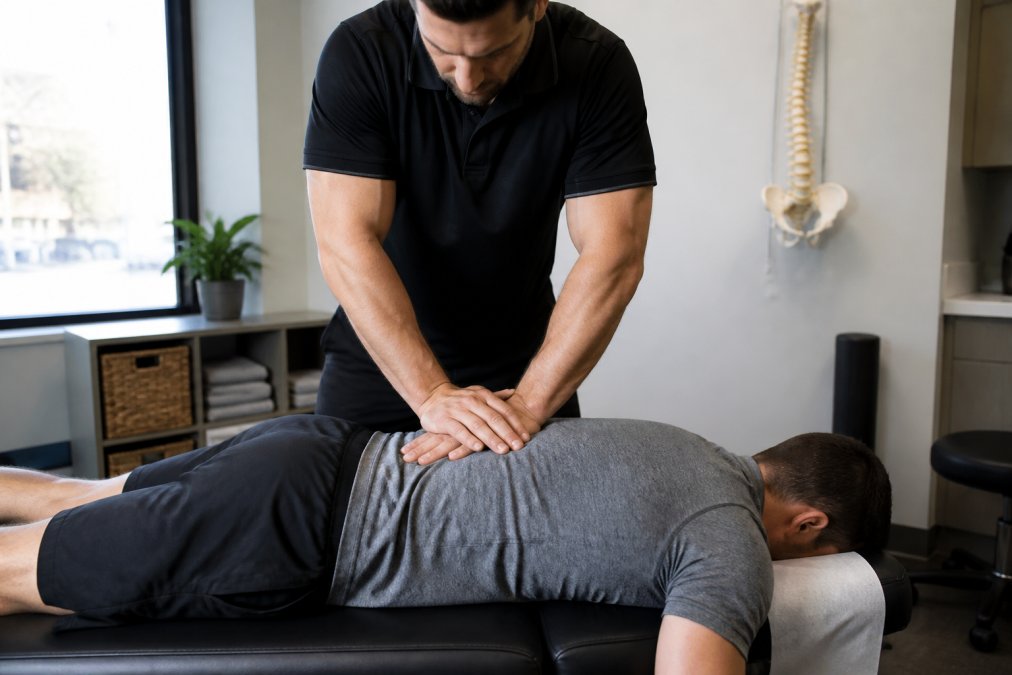
Spinal alignment is the positioning of vertebrae that allows balanced load distribution across the musculoskeletal system. When alignment is compromised, the body compensates by shifting stress to adjacent joints, muscles, and connective tissue, creating conditions for injury. A runner with pelvic tilt, a swimmer with thoracic restriction, or a tennis player with cervical misalignment alters movement mechanics in ways that increase injury risk with every repetition. Chiropractic spinal adjustment aims to address these misalignments, helping restore biomechanical function that can support safer movement during activity.
Postural correction is equally important. Many sports injuries originate at the desk, in the car, or during sleep rather than on the field. Chiropractors assess the full postural picture and address cumulative load before it becomes acute.
Joint restriction or imbalance in spinal segments can limit the available range of motion, reducing comfortable mobility and proper movement patterns.
Chiropractic adjustments aim to restore proper joint function and mobility. For athletes, maintaining optimal joint movement can support reliable and coordinated functional patterns during activity.
Chiropractic care addresses a broader range of sports-related conditions than many athletes expect, spanning both acute trauma and slower-developing overuse conditions.
| Injury Type | Common Examples | Chiropractic Approach |
|---|---|---|
| Acute trauma | Sprains, strains, joint subluxations | Adjustment, soft tissue therapy, stabilization |
| Overuse conditions | Tendinopathy, stress fractures, IT band syndrome | Load management, corrective exercises, alignment |
| Spinal injuries | Disc irritation, facet joint dysfunction | Decompression, mobilization, postural work |
| Extremity injuries | Shoulder impingement, knee tracking issues | Joint mobilization, muscle balance correction |
| Nerve-related | Sciatica, cervical radiculopathy | Spinal adjustment, nerve glide techniques |
Acute injuries like sprains or muscle strains involve tissue damage requiring controlled recovery before manipulation is appropriate. Chiropractors trained in sports medicine understand this timeline and focus on adjacent structures and soft tissue therapy during the acute phase before progressing to spinal adjustment.
Overuse conditions like patellar tendinopathy or rotator cuff irritation develop gradually through repetitive loading on tissues that aren't recovering adequately. Chiropractic care identifies biomechanical contributors, gait abnormalities, shoulder mechanics issues, hip mobility restrictions, that concentrate load on affected tissue. Treating the symptom without correcting the cause is why many athletes cycle through the same overuse injuries repeatedly.
Injury prevention is the entry point. The chiropractic sports performance benefits that athletes report go further than simply staying healthy. Chiropractic care isn't a performance supplement; it's a structural foundation. Athletes who maintain better joint health, more efficient movement patterns, and reduced chronic muscle tension train more consistently, recover faster, and perform closer to their physical ceiling.
Restricted range of motion is one of the most common and underaddressed performance limiters in sport. A baseball pitcher who can't fully externally rotate the shoulder, a cyclist whose hip flexors limit stride extension, or a weightlifter whose thoracic spine won't extend under load all perform below their structural capacity.
Chiropractic care addresses joint mobility through spinal and extremity adjustments that restore normal motion to restricted segments. Soft tissue therapy, including myofascial release and trigger point work, addresses muscle tension that perpetuates joint restriction. The combination produces functional movement improvements that translate directly to athletic output.
Chronic, low-grade inflammation accumulates from training load, incomplete recovery, and repetitive micro-trauma. Left unmanaged, it slows tissue repair, impairs joint function, and contributes to chronic pain patterns that eventually force athletes to reduce training.
Chiropractic care may support the body's inflammation response by helping restore normal joint mechanics, which can reduce mechanical irritation in the area. Soft tissue therapy may improve circulation to areas of restricted blood flow, which can support tissue repair. Chiropractic management typically involves addressing soft tissue and joint components that may contribute to general inflammation.
The most effective sports medicine model treats chiropractic and physical therapy as complementary disciplines. Chiropractic care restores structural alignment and joint function. Physical therapy builds the muscular strength and neuromuscular control that holds that alignment in place under load. Without the structural component, physical therapy builds on an unstable foundation. Without strengthening, chiropractic adjustments address a problem that will recur.
Integration is particularly valuable in rehabilitation following acute injury. A chiropractor can restore joint mobility and address spinal components early in recovery, while the physical therapist progressively loads healing tissue. This sequencing, mobility first, then strength, reflects current best practice in sports rehabilitation.
A common mistake is applying a generic treatment model regardless of sport. The musculoskeletal demands of distance running differ fundamentally from wrestling, swimming, or golf. Sport-specific protocols account for these differences.
Runners present most commonly with lower extremity overuse conditions tracing back to pelvic alignment and lumbar spine mechanics. Protocols focus on sacroiliac joint function, hip mobility, and gait analysis.
Overhead athletes (baseball, tennis, volleyball, swimming) place asymmetric rotational demands on the thoracic spine and shoulder complex. Protocols prioritize thoracic mobility, cervical alignment, and shoulder girdle mechanics.
Contact sport athletes (football, rugby, martial arts) experience higher rates of acute spinal trauma. Protocols emphasize spinal stability assessment and return-to-play clearance.
Weightlifters and CrossFit athletes frequently present with lumbar disc irritation from high-load spinal flexion and extension. Protocols focus on lumbar decompression, hip mobility, and corrective exercises supporting safe loading mechanics.
Chiropractic adjustments create a structural opportunity. What the athlete does between appointments determines whether that opportunity is realized. Home-based maintenance exercises aren't optional for athletes serious about injury prevention; they're the mechanism by which chiropractic gains become durable.
Cat-Cow Stretch
On hands and knees, alternate between rounding the spine toward the ceiling and dropping the belly toward the floor. Ten repetitions maintain lumbar and thoracic mobility and reduce morning stiffness.
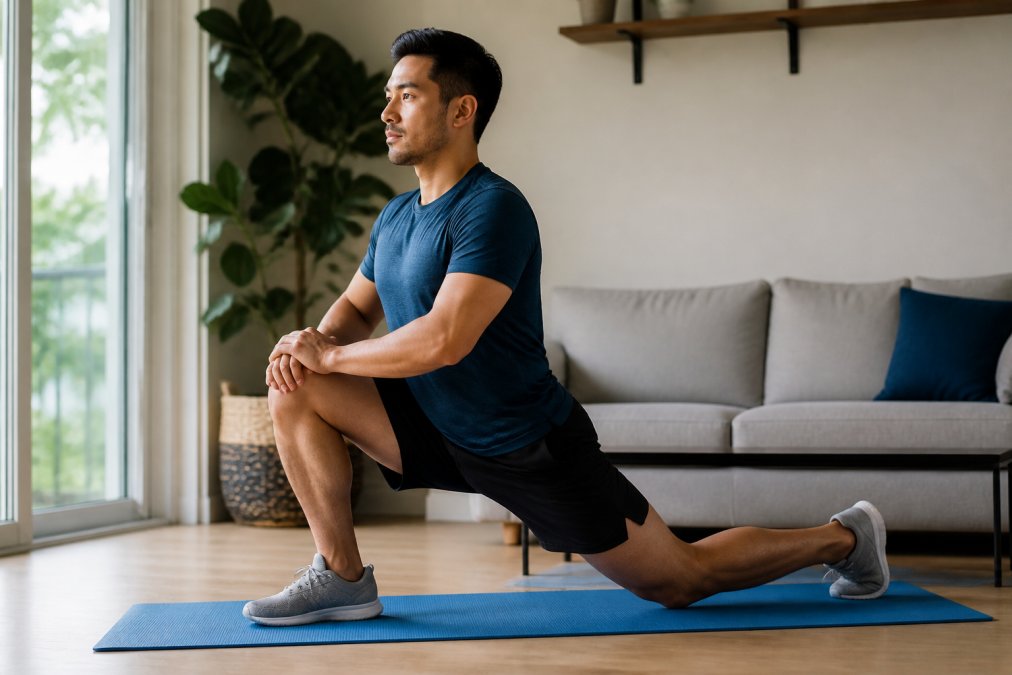
Hip Flexor Stretch
From a half-kneeling position, shift weight forward until a stretch is felt in the front of the rear hip. Hold for 30-45 seconds per side. This supports pelvic alignment and reduces anterior pelvic tilt in runners and cyclists.
Thoracic Extension Over Foam Roller
Position a foam roller horizontally across the mid-back and allow the thoracic spine to extend over it, moving slowly through several segments. This counteracts thoracic flexion posture in desk workers and overhead athletes.
Dead Bug Exercise
Lying on your back with arms extended toward the ceiling and knees bent at 90 degrees, slowly lower opposite arm and leg toward the floor while maintaining neutral lumbar spine. This builds deep spinal stabilizer activation that holds chiropractic alignment gains under athletic load.
Chin Tucks
Seated or standing, retract the chin horizontally to restore cervical alignment. Ten repetitions, held two seconds each. This is the single most effective home exercise for athletes carrying cervical tension from forward head posture.
How often athletes should see a chiropractor depends on current injury status, sport season timing, and individual structural needs.
Acute injury phase: Two to three visits per week support tissue recovery and prevent compensatory movement patterns from becoming entrenched, typically lasting two to four weeks.
Active season maintenance: Once structural issues are addressed, many athletes benefit from bi-weekly or monthly visits during competitive season to maintain alignment and joint mobility gains.
Off-season optimization: The off-season is ideal for comprehensive structural assessment and correction, allowing athletes to enter their next competitive season with a more resilient foundation.
Regular musculoskeletal assessment is widely considered a component of long-term athletic health management.
Youth athletes represent a specific and often overlooked population in sports chiropractic. Musculoskeletal patterns established during adolescent development tend to persist into adulthood. A young athlete who develops functional scoliosis from asymmetric sport loading or accumulates hip mobility restrictions from early specialization carries those patterns forward.
Preventing sports injuries with chiropractic care in youth athletes is fundamentally about establishing correct movement patterns before compensatory habits become structural. The growing musculoskeletal system is more responsive to correction than the adult equivalent, making early assessment both more effective and more important.
Youth chiropractic care requires age-appropriate techniques. Forces used in adult spinal adjustment are modified for pediatric and adolescent patients, and assessment accounts for active growth plates. Common presentations include growth-related conditions like Osgood-Schlatter disease and Sever's disease, which are often managed with load management, corrective exercises, and biomechanical assessment to identify areas experiencing excess stress.
Youth athletic programs that integrate regular chiropractic screening alongside strength and conditioning give young athletes a structural advantage that compounds over a career. Many clinicians recommend early preventative care as a valuable part of maintaining overall musculoskeletal health, rather than waiting for injury to prompt intervention.
Many athletes reach a point where pain management becomes the goal rather than performance, cycling through treatments addressing symptoms without resolving underlying structural contributors. For athletes serious about preventing sports injuries with chiropractic care, scheduling a consultation is the practical next step. Visit chiropracticcare.clinic to learn more about available services and book an assessment.
Chiropractic care addresses the musculoskeletal system by correcting spinal misalignments, improving joint mobility, and reducing muscle tension. When the spine is properly aligned, biomechanics improve and the nervous system communicates more efficiently with muscles and joints. This reduces compensatory movement patterns that often lead to overuse injuries or acute strains. Regular spinal adjustments combined with soft tissue therapy may help some athletes maintain functional movement and support lower re-injury risk over time, though individual results vary.
Chiropractors commonly treat runner's knee, rotator cuff strains, IT band syndrome, lower back sprains, ankle sprains, tennis elbow, and cervical strains from contact sports. Both acute injury recovery and chronic pain management fall within chiropractic scope. Treatment typically combines spinal adjustment, soft tissue therapy, and corrective exercises tailored to the athlete's sport and the specific structures involved.
Frequency depends on training load, sport type, injury history, and individual recovery rates. During heavy training blocks or competitive seasons, many athletes benefit from weekly or biweekly visits. During off-season or lighter training, monthly maintenance visits are common. A chiropractor will assess your physical conditioning and postural correction needs to recommend a schedule that supports preventative care without over-treating. There is no single universal answer, so a personalized evaluation is the appropriate starting point.
Chiropractic care is generally considered appropriate for athletes across age groups, including youth athletes, when performed by a licensed Doctor of Chiropractic. Techniques are adapted based on age, development stage, and the specific condition. As with any healthcare intervention, there are contraindications, and a thorough intake evaluation is essential. Athletes with fractures, certain spinal conditions, or other medical complexities should discuss chiropractic care with their broader sports medicine team before beginning treatment.


