

Yoga Poses to Avoid With Chronic Back Pain
Yoga poses to avoid with chronic back pain: Learn which yoga poses aggravate chronic back pain, why they're risky, and safe modifications to keep.
Read More →
Last Updated: September 8, 2026
Recovering from a musculoskeletal injury involves more than just managing pain; the provider you choose shapes your entire recovery trajectory. A qualified chiropractor for injury recovery brings clinical training, diagnostic skills, and a treatment philosophy aligned with your specific condition, whether that involves whiplash from a car accident, a work-related injury, or a sports strain. The distinction between a provider who simply performs adjustments and one who builds a comprehensive treatment plan is often the difference between temporary relief and lasting functional improvement.
Many patients enter this process unsure what separates a licensed practitioner from someone offering generic spinal manipulation. This guide walks through the practical steps to find qualified chiropractor for injury recovery options, how to verify licenses, and which questions reveal a provider's true clinical approach.
A systematic search reduces the risk of ending up with a provider who cannot address your specific injury type. These five steps combine professional directories, insurance verification, and community feedback to build a shortlist of credible candidates.
Professional organizations maintain directories of practitioners who meet specific membership and continuing education standards. The American Chiropractic Association's Find a Doctor directory allows you to search by zip code and filters for practitioners meeting their professional vetting criteria. This approach narrows your options to licensed chiropractors who demonstrate a commitment to professional standards, though the directory does not provide pricing details for individual clinics.
Before scheduling a consultation, confirm the provider accepts your insurance plan. Digital healthcare marketplaces like Zocdoc's chiropractic booking platform offer insurance filtering to identify in-network providers, verified patient reviews, and real-time appointment scheduling. This step prevents the unpleasant surprise of an out-of-network bill after your first visit, which is a common concern for patients managing injury recovery costs.
Community review platforms such as Yelp's local chiropractic clinic listings provide a large volume of user feedback about local clinics. Reviews reveal patterns about patient experiences, including wait times, communication quality, and whether patients feel rushed during appointments. While these reviews are subjective and not clinically verified, consistent themes across multiple reviews offer useful signal about a clinic's patient-centered care approach.
Verifying a chiropractic license is a non-negotiable step before committing to any treatment plan. Every state requires chiropractors to hold an active license, and state licensing boards maintain public databases where you can confirm a practitioner's status, education, and any disciplinary actions. This verification process is distinct from checking professional membership; a license is a legal requirement to practice, while membership in professional organizations is voluntary.
Search for your state's chiropractic examining board website and use its license lookup tool. You will typically need the practitioner's full name or license number. Confirm that the license is active and unrestricted, and review any public disciplinary records. This process takes only a few minutes but provides legal protection and peace of mind. A licensed practitioner must also maintain continuing education credits, which ensures their techniques reflect current evidence-based practice standards.
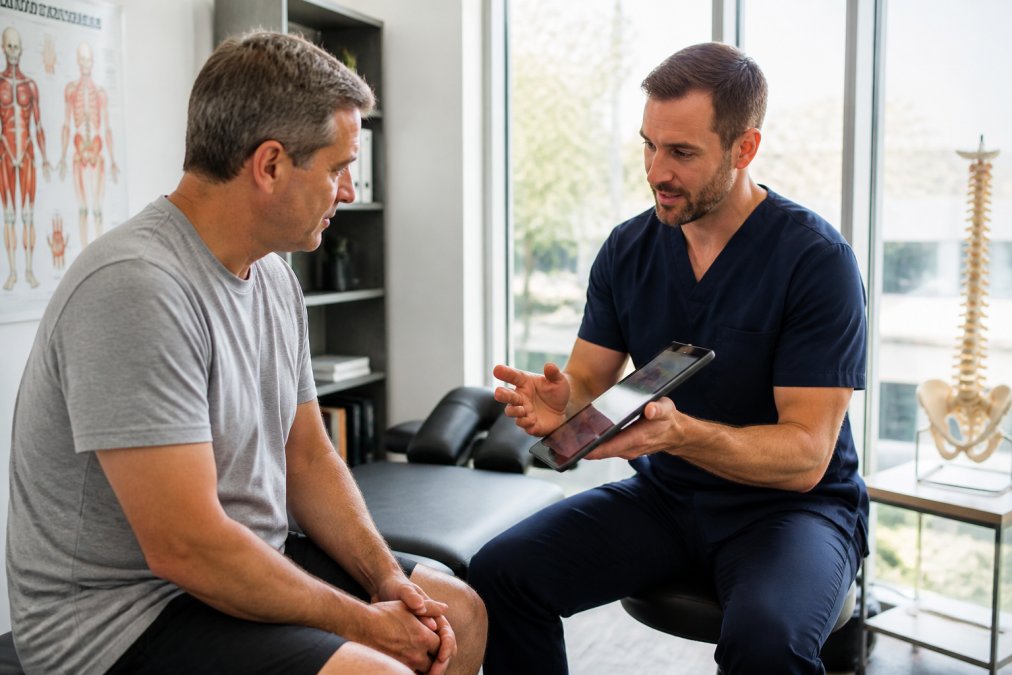
The first consultation is your opportunity to assess whether the provider's approach matches your injury recovery needs. Asking targeted questions reveals how the chiropractor structures treatment and whether they prioritize a diagnosis-first methodology. Bring a list of questions to ask a chiropractor for injury, and take notes during the consultation.
Start with diagnostic questions: What is your clinical evaluation process for my specific injury? Do you use diagnostic imaging or functional assessments before beginning treatment? These questions reveal whether the provider conducts a thorough assessment or defaults to a standard adjustment protocol. A qualified practitioner should describe a process that includes a detailed history of how the injury occurred, a physical exam assessing range of motion and tenderness, and orthopedic or neurological tests to pinpoint the source of pain. If they mention imaging, ask whether they use X-rays, MRI, or CT scans, and what specific findings they are looking for, such as disc herniation or fracture.
Then ask about the treatment plan itself: How many visits do you anticipate, and what measurable results should I expect at each stage? A reputable practitioner will outline a plan with clear milestones and explain how therapeutic exercise or rehabilitative therapy complements chiropractic adjustment. Be wary of vague answers like "we'll see how you respond" without any proposed timeline. A good response might be, "For a typical whiplash injury, we'll reassess your pain and range of motion at visit four and adjust the plan based on your progress."
Ask about the specific techniques they use. Chiropractors employ a variety of adjustment styles, from high-velocity, low-amplitude (HVLA) thrusts to the more gentle Activator method or flexion-distraction technique. Ask which techniques they would use for your injury and why. For example, a patient with a lumbar disc herniation may benefit more from flexion-distraction, which gently stretches the spine, rather than a forceful rotational thrust. Understanding the rationale behind their technique choice demonstrates a thoughtful, evidence-based approach.
Finally, ask about their experience with your specific injury type. A chiropractor who primarily treats chronic back pain may not be the best fit for a recent sports-related ankle sprain or a work-related repetitive strain injury. Ask, "How many patients with [your specific injury] have you treated in the past year?" and "What is your typical outcome for those patients?" This direct question helps you gauge their clinical focus and success rate.
Auto accident injuries present unique challenges that require specific clinical expertise. Whiplash, soft tissue injuries, and spinal misalignments often develop gradually after the initial impact, which means delayed symptoms are common. Chiropractic care after car accident injury should begin with a thorough evaluation to identify all affected areas, not just the most painful ones.
When evaluating a provider for post-accident care, ask about their experience with personal injury cases. Some clinics specialize in accident recovery and maintain relationships with the legal and insurance systems involved in injury claims. This specialization matters because proper medical documentation is essential if you are pursuing a personal injury claim. A clinic experienced in this area will provide detailed records that accurately reflect your injury, treatment timeline, and recovery progress, which supports both your legal case and your insurance verification process.
The specific documentation gap: Most general advice stops at "keep good records." But for a personal injury claim, your chiropractor's records must contain specific elements to be admissible and persuasive. When you meet with a potential chiropractor, ask if their documentation includes the following:
Additionally, ask how the clinic handles communication with your attorney. Do they have a designated staff member who responds to legal requests for records? Do they charge a fee for copying and sending records? Understanding this workflow upfront prevents delays and ensures your legal team has the evidence they need when they need it. A clinic that regularly works with personal injury attorneys will have a streamlined process for this, which can significantly reduce the stress of managing your claim while you recover.
Effective injury recovery rarely relies on chiropractic adjustment alone. A comprehensive approach incorporates physical therapy, therapeutic exercise, and rehabilitative therapy to restore joint mobility, strengthen supporting muscles, and prevent re-injury. The best providers build personalized treatment plans that evolve as your recovery progresses, rather than applying a fixed number of adjustments regardless of your response to care.
Ask potential providers how they integrate these modalities into their treatment plans. A qualified chiropractor for injury recovery will explain how specific exercises complement your adjustments and will track your functional progress through measurable outcomes like range of motion, pain levels, and daily activity tolerance. This patient-centered care model addresses both acute pain and the underlying musculoskeletal imbalance that contributed to the injury, which supports longer-term recovery efficiency.
| Recovery Element | What It Addresses | Typical Timeline |
|---|---|---|
| Initial evaluation | Injury diagnosis, pain source identification | First 1-2 visits |
| Chiropractic adjustment | Joint mobility, acute pain management | Ongoing, frequency varies |
| Therapeutic exercise | Muscle strength, stability, re-injury prevention | Weeks 2-8+ |
| Rehabilitative therapy | Functional restoration, movement patterns | Throughout recovery |
Several warning signs should prompt you to continue your search. A provider who recommends an unusually long treatment plan without clear milestones or measurable goals may not be practicing evidence-based care. Similarly, a chiropractor who dismisses diagnostic imaging or refuses to coordinate with your primary care physician raises questions about their clinical thoroughness.
Be cautious of clinics that pressure you into signing long-term care contracts or prepaying for dozens of visits before any clinical evaluation occurs. Legitimate practices assess your condition first and then propose a treatment plan based on your specific injury. Another red flag is a provider who cannot clearly explain their treatment approach or who makes absolute promises about outcomes. Honest practitioners acknowledge that recovery timelines vary based on injury severity, your overall health, and how consistently you follow the treatment plan.
Finding a qualified chiropractor for injury recovery requires verifying credentials, asking the right clinical questions, and assessing whether the provider's treatment philosophy aligns with your injury type and recovery goals. Start with professional directories, confirm insurance coverage through healthcare marketplaces, and read community reviews to build a shortlist. Then verify each candidate's chiropractic license and schedule consultations to evaluate their diagnostic approach and treatment planning.
Avoid providers who recommend a long, open-ended treatment plan without clear goals or measurable progress checks. Be wary of anyone who discourages you from getting a second opinion or who claims to treat conditions unrelated to the musculoskeletal system. A lack of transparency about pricing or insurance billing is also a concern. A qualified chiropractor will perform a clinical evaluation, explain their findings, and outline expected recovery milestones.
You can verify a chiropractor's license by checking the state licensing board where they practice. In most states, this is the State Board of Chiropractic Examiners. You can also use the American Chiropractic Association (ACA) directory to see if they are a member, which indicates they meet professional standards. Confirming their credentials is a critical step in finding a qualified chiropractor for injury recovery.
Chiropractic care can support long-term recovery by focusing on restoring joint mobility and function through chiropractic adjustments and rehabilitative therapy. A treatment plan for injury recovery typically addresses acute pain first, then shifts to therapeutic exercise to prevent re-injury. The goal is to improve functional assessment results over time, helping you return to normal activities. Recovery timelines vary, so expect your provider to adjust the plan based on your progress.
Ask about their experience with your specific type of injury, whether it is an auto accident recovery or a work-related injury. Inquire about their approach to diagnosis, confirming they use diagnostic imaging or clinical evaluation before starting treatment. Ask about insurance verification and whether they provide medical documentation for personal injury cases. Also ask about their plan for physical therapy or therapeutic exercise as part of your recovery.
Auto accident injuries often involve trauma like whiplash and soft tissue injury, requiring a treatment plan focused on acute pain management and post-accident care. Sports injuries may involve overuse or acute strains needing a plan centered on restoring joint mobility and strength for return to play. A qualified chiropractor will tailor the approach, but both rely on evidence-based practice, clinical evaluation, and a structured rehabilitation plan.
The search for the right provider is an investment in your recovery outcome. At chiropracticcare.clinic, we help patients navigate this process with clarity and confidence, connecting them with licensed practitioners who prioritize diagnosis-first, patient-centered care. Get started with chiropracticcare.clinic and find a provider who supports your journey from acute injury to full functional recovery.


