

Yoga Poses to Avoid With Chronic Back Pain
Yoga poses to avoid with chronic back pain: Learn which yoga poses aggravate chronic back pain, why they're risky, and safe modifications to keep.
Read More →
Last Updated: August 9, 2026
When chronic joint pain limits your daily life, surgery often feels inevitable. But most people considering joint replacement have never explored personalized, comprehensive nonsurgical care. A growing body of clinical evidence shows that nonsurgical interventions address the root causes of joint dysfunction, misalignment, muscle imbalance, inflammation, and reduced mobility, without the risks and recovery time of surgery.
Joint alternatives personalized care treats you as an integrated system where alignment, movement patterns, muscle strength, and lifestyle influence your pain and function. Rather than replacing a worn-out joint, this approach restores your body's capacity to heal. The alternatives available today span multiple disciplines: chiropractic adjustment combined with corrective exercise, regenerative medicine techniques like platelet-rich plasma and stem cell therapy, targeted pain management, and integrated physical therapy.
At chiropracticcare.clinic, we recognize that effective joint care requires moving beyond one-size-fits-all protocols. This guide helps you evaluate each alternative on its merits and make an informed decision about whether surgery is truly necessary.
Nonsurgical approaches operate on a principle that orthopedic surgeons increasingly acknowledge: most joint pain stems from correctable mechanical and inflammatory issues, not irreversible structural damage.
Clinical-grade physical therapy involves functional assessment identifying specific movement deficits contributing to your pain. A qualified therapist evaluates your biomechanical alignment, tests range of motion and strength, and designs a rehabilitation protocol targeting those deficits. The process typically begins with manual therapy and soft tissue mobilization, followed by progressive strengthening and functional movement training.
Some patients committing to structured physical therapy for 8-12 weeks report improved function over time. Most see initial improvements within 2-3 weeks of consistent therapy, with meaningful functional gains by week 6-8. Full rehabilitation typically takes 12-16 weeks depending on severity and adherence. Consistency is critical: patients attending twice weekly and performing home exercises progress substantially better than those attending sporadically.
Physical therapy works best for muscle weakness, movement dysfunction, or early-stage joint degeneration. It's less effective as a standalone intervention for advanced cartilage loss, though it remains valuable when combined with other modalities.
Platelet-rich plasma (PRP) injections and stem cell therapy directly address tissue damage and inflammation by introducing concentrated growth factors into the affected joint. PRP involves drawing your blood, concentrating platelets, and injecting them into the joint. A typical protocol involves 2-4 injections spaced 2-4 weeks apart, with noticeable improvement within 4-6 weeks and peak benefits at 2-3 months. Effects typically last 6-12 months.
Stem cell therapy uses your body's own stem cells, typically harvested from bone marrow or adipose tissue, to promote healing. Results emerge over 2-3 months as stem cells promote tissue regeneration. Evidence is growing but mixed, with some patients reporting benefits for early-stage osteoarthritis and cartilage damage, while results are less consistent for advanced degeneration. Regenerative procedures are rarely covered by insurance, and availability varies by provider.
Nerve blocks involve injecting local anesthetic around specific nerves transmitting pain signals from the joint, providing significant relief for weeks or months and allowing you to participate in physical therapy more effectively.
Anti-inflammatory protocols combine targeted supplementation, dietary modifications, and sometimes medications to reduce systemic inflammation driving joint pain. Specialized injection techniques, including corticosteroid or hyaluronic acid injections, provide temporary pain relief, corticosteroid injections typically 4-12 weeks, hyaluronic acid 3-6 months. These work best strategically to reduce pain enough to engage in rehabilitation.
Personalized chiropractic care differs fundamentally from high-volume franchise models. Where franchise clinics optimize for efficiency, personalized practices optimize for individual outcomes.
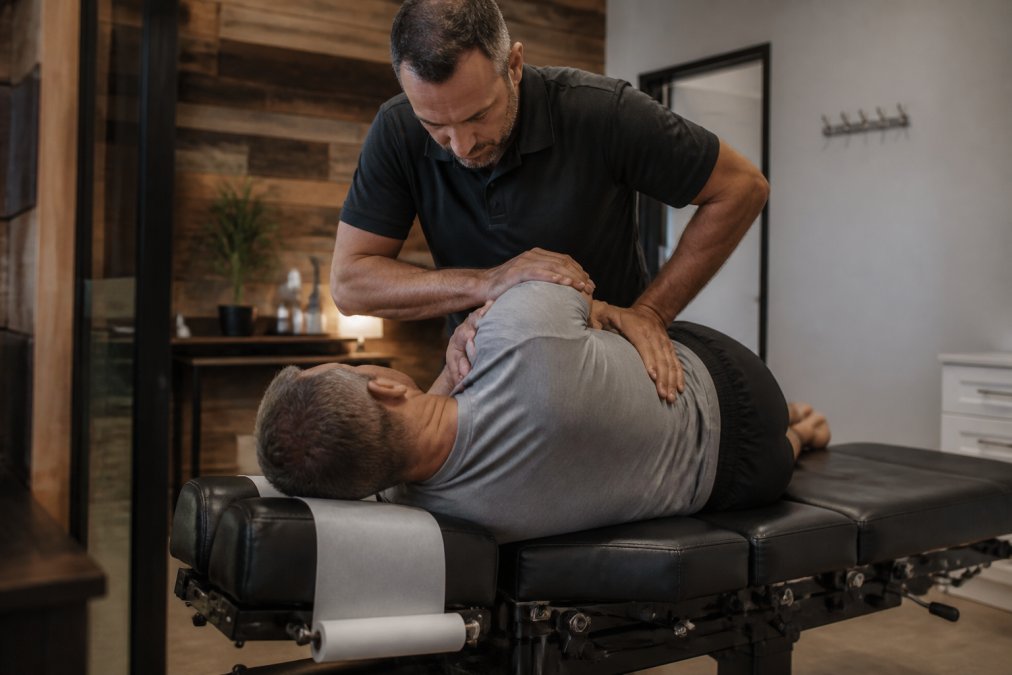
A personalized approach begins with comprehensive functional assessment. Rather than applying the same protocol to every patient with similar complaints, a chiropractor trained in personalized care evaluates your specific biomechanical patterns and determines which joints are moving improperly. This assessment informs a customized treatment plan addressing your unique structural and functional issues.
Extended treatment sessions typically include 30-45 minutes incorporating adjustment, soft tissue work, corrective exercise instruction, and lifestyle counseling. This comprehensive approach addresses not just the immediate joint issue but the movement patterns perpetuating your pain.
Personalized chiropractic care emphasizes patient education and self-management. You learn which movements aggravate your condition, which exercises stabilize your joints, and how to modify daily activities to reduce stress on vulnerable structures. This knowledge transfers directly into lasting pain reduction because you're actively managing your condition rather than remaining dependent on treatment.
Understanding realistic timelines prevents frustration and helps you evaluate whether the approach is working.
Initial intensive phase typically lasts 4-8 weeks with 2-3 weekly appointments. The goal is reducing acute pain, restoring basic joint mobility, and correcting movement patterns. Most patients notice meaningful improvement within 2-3 weeks. If you see no improvement after 3-4 weeks, your condition may require additional imaging or a different approach.
Rehabilitation phase follows and typically lasts 4-12 weeks with 1-2 weekly visits. The focus shifts toward building strength, refining movement patterns, and preparing joints for normal activity. By the end, most patients have returned to baseline activities with significantly reduced pain.
Maintenance phase begins once you've achieved functional goals. Some patients transition to monthly or bi-monthly visits; others graduate to self-management with periodic check-ups. Total treatment duration for most chronic joint conditions ranges from 8-20 weeks. The key variable is your commitment to home exercises and lifestyle modifications.
The chiropractic landscape includes two distinct models: high-volume franchise clinics optimized for efficiency, and personalized practices prioritizing individual outcomes.
Franchise clinics schedule patients in 10-15 minute slots, apply standardized protocols regardless of individual variation, and prioritize throughput. This limits how much individual variation the treatment plan accounts for.
Personalized practices limit patient volume to allow extended appointment times, conduct thorough functional assessments, and customize protocols to individual needs. They invest in ongoing education to stay current with advances in joint preservation and patient-centered care. This approach allows more individualized attention for chronic conditions.
The diagnostic approach differs substantially. Franchise clinics often take X-rays and apply standard interpretations. Personalized practices conduct functional assessments revealing how your joints actually move, information static imaging misses. Treatment duration also differs; personalized practices adjust based on your specific response rather than following predetermined templates.
Personalized chiropractic practices grounded in orthopedic principles and functional assessment produce better results for complex chronic conditions. Franchise clinics excel at providing basic care affordably. Your choice depends on your condition's complexity and priorities.

Sustainable pain relief requires addressing daily habits and movement patterns perpetuating joint stress.
Ergonomic optimization at work and home directly impacts chronic joint pain. Raising your monitor to eye level, using a chair with proper lumbar support, and taking frequent position breaks reduces joint stress significantly. Many patients experience pain reduction simply from optimizing their work environment.
Movement patterns matter equally. Modify how you perform daily activities until your joints are strong enough to handle normal stress. This might mean using proper lifting technique, avoiding sustained poor postures, or temporarily modifying aggravating activities.
Sleep quality and position affect joint pain substantially. Sleeping on your back or side with proper pillow support reduces overnight stress and morning stiffness.
Physical activity requires careful balance. Consistent, moderate activity, walking, swimming, or other low-impact movement, maintains fitness without aggravating your condition. Most people find 30 minutes of moderate activity 5 days weekly supports long-term joint health.
As part of an ongoing chiropractic care plan, many patients find that anti-inflammatory eating habits, whole foods, omega-3 fatty acids, and vegetables, support their overall recovery alongside treatment. This is a lifestyle complement, not a substitute for care.
Stress management directly affects pain perception and inflammation. Meditation, breathing exercises, or adequate sleep reduce inflammation and improve pain tolerance.
Weight management affects joint stress, particularly for lower extremity joints. Each pound of excess weight increases stress on knees, hips, and ankles by 3-6 pounds during walking. Even 5-10 pound reductions produce measurable improvements.
The decision between surgical and nonsurgical approaches requires honest assessment of your condition's severity, response to conservative care, and goals.
Clear indicators that surgery may be necessary include: progressive neurological deficits (weakness, numbness, or loss of bowel/bladder control), severe structural damage visible on imaging combined with corresponding functional loss, or failed conservative treatment after 3-6 months of consistent, appropriate care.
However, many patients pursue surgery without adequately exploring conservative options. The appropriate decision process involves: first, pursuing conservative care for adequate duration with appropriate intensity, 8-12 weeks of consistent physical therapy or 4-8 weeks of personalized chiropractic care. Second, if conservative care produces meaningful improvement, continue that approach; surgery can always be pursued later if needed. Third, if conservative care produces no improvement after adequate trial, then surgical consultation is appropriate.
Your age and activity level inform the decision. Younger patients with higher activity demands sometimes benefit from surgical intervention; older patients often achieve excellent functional outcomes through conservative care alone. The goal is pursuing the least invasive intervention producing your desired outcome.
According to American Academy of Orthopaedic Surgeons guidelines, most patients with chronic joint pain should pursue conservative treatment for 6-12 weeks before considering surgery.
The decision to pursue joint alternatives rather than surgery carries psychological and financial dimensions affecting your long-term wellbeing.
Psychologically, pursuing surgery creates a narrative that your joint is broken and needs replacement. This narrative often becomes self-fulfilling, with patients developing anxiety around movement and increased pain perception. Conversely, patients pursuing conservative care maintain an active relationship with their bodies, learning that pain is manageable through their own efforts.
When you reduce your own pain through exercise and targeted treatment, you gain confidence and agency. Many patients report feeling more confident and in control of their condition through conservative care.
The choice between joint surgery and alternatives depends on your specific condition, response to conservative care, and personal priorities. The evidence increasingly supports pursuing personalized, comprehensive nonsurgical care before considering surgery. Most chronic joint pain responds favorably to appropriate conservative treatment.
At chiropracticcare.clinic, we help patients navigate this decision by conducting thorough functional assessments, explaining your specific condition clearly, and designing personalized treatment plans. Our goal is restoring your function and reducing your pain through evidence-based, patient-centered care that preserves your joint's natural structure. When you're ready to explore whether joint alternatives can resolve your pain, consult with a qualified healthcare provider to develop your personalized treatment strategy.
| Alternative | Duration | Best For | Key Consideration |
|---|---|---|---|
| Physical Therapy | 8-16 weeks | Movement dysfunction, muscle weakness | Requires consistent home exercise |
| Regenerative Medicine | 2-3 months to peak effect | Early cartilage damage, inflammation | Rarely insurance-covered |
| Personalized Chiropractic | 8-20 weeks | Joint misalignment, chronic pain | Requires commitment to lifestyle changes |
| Nerve Blocks | 4-12 weeks per injection | Acute pain management | Temporary relief, enables rehabilitation |
| Lifestyle Modification | Ongoing | Long-term joint health | Foundation for all other approaches |
Joint alternatives to surgery include physical therapy, regenerative medicine (such as platelet-rich plasma and stem cell therapy), chiropractic care, pain management techniques, and lifestyle modifications. These non-surgical interventions address inflammation reduction, improve joint function, and support musculoskeletal health without the risks and recovery time associated with surgical procedures. A personalized care plan can combine several of these approaches for optimal outcomes.
Personalized chiropractic treatment offers extended visit times, direct communication with your chiropractor, and customized care plans tailored to your specific biomechanics and health goals. Franchise clinics typically operate on high-volume models with shorter appointments. Personalized care focuses on understanding your unique condition, providing comprehensive rehabilitation protocols, and addressing root causes rather than just symptom relief, leading to better long-term functional outcomes.
Chiropractic treatment plan duration varies based on the severity of your condition, age, and overall health. Initial corrective care phases typically range from 4 to 12 weeks with multiple visits per week. After initial treatment, many patients transition to maintenance care with fewer visits monthly. Your chiropractor will establish a personalized timeline during your functional assessment and adjust the plan based on your progress and response to care.
Consider joint alternatives when you have early to moderate joint degeneration, want to avoid surgical risks and recovery time, or prefer a conservative approach first. Non-surgical interventions work best for patients committed to rehabilitation protocols and lifestyle changes. However, if you have severe joint damage, significant functional loss, or conservative treatments have failed after 3-6 months, surgery may become necessary. A qualified healthcare professional can assess your specific situation.
Personalized chiropractic care uses a patient-centered approach that examines biomechanical alignment, joint function, and musculoskeletal patterns other practitioners may have overlooked. Through detailed functional assessments and customized rehabilitation, chiropractors can identify and address structural causes of chronic pain. However, success depends on your condition's nature, your commitment to the treatment plan, and whether chiropractic intervention is appropriate for your specific diagnosis. A consultation with a qualified chiropractor can determine if this approach is suitable for your situation.


